10+ Diet Plans for Weight Loss: Healthy, Simple, and Sustainable Ideas
Discover 10+ healthy diet plans for weight loss, including balanced eating, Mediterranean, DASH, high-protein, plant-based, and meal-prep plans. Learn how to choose a safe and sustainable plan.
Introduction:
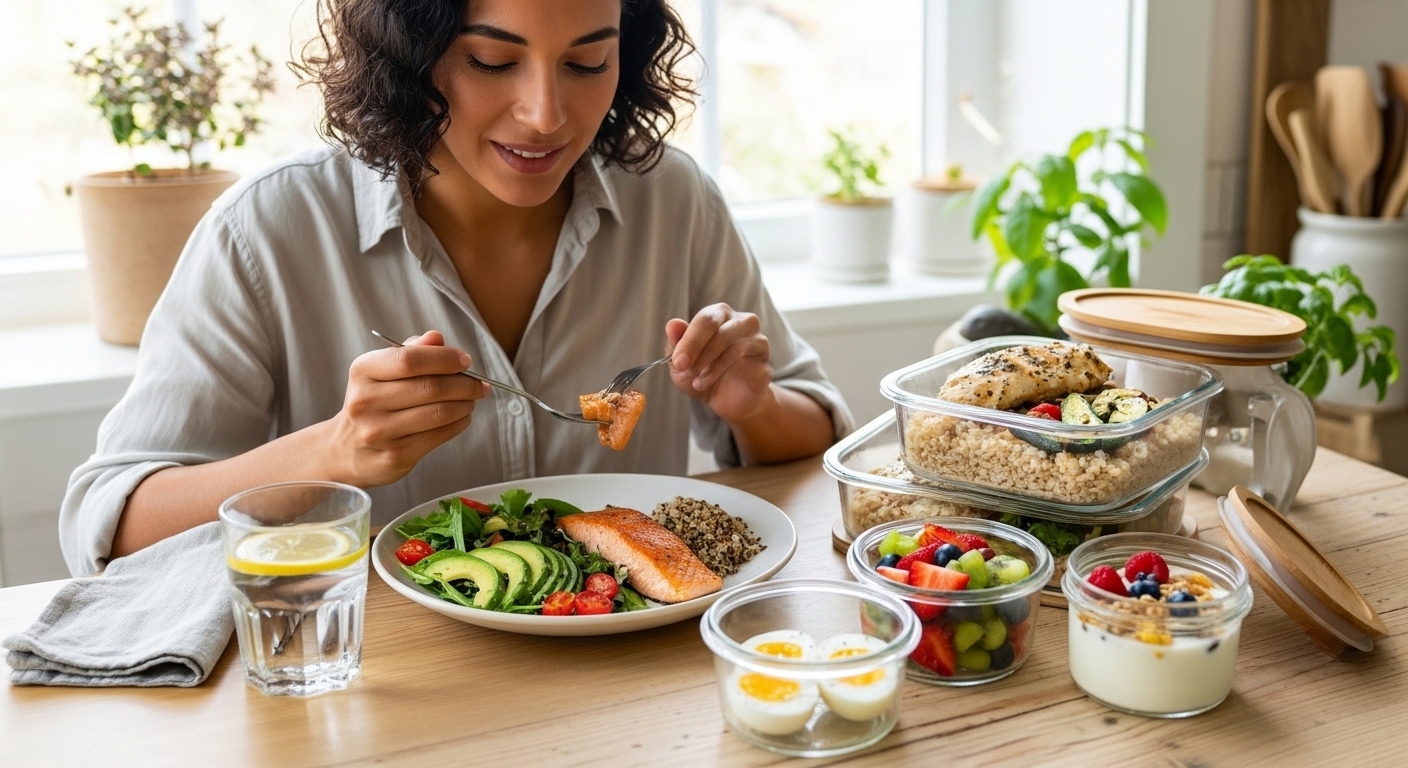
Weight loss is not just about eating less. It is about building a healthy routine that you can follow for a long time. A good diet plan should provide energy, support your body, and help you feel satisfied—not weak or restricted.
Health experts generally recommend focusing on healthy eating patterns, regular movement, sleep, and stress management instead of extreme dieting. The CDC also explains that successful weight loss usually comes from a realistic lifestyle plan rather than quick fixes.
Before starting any weight loss plan, especially if you are under 18, pregnant, have diabetes, or have any medical condition, it is best to speak with a doctor or qualified dietitian.
1. Balanced Plate Diet Plan
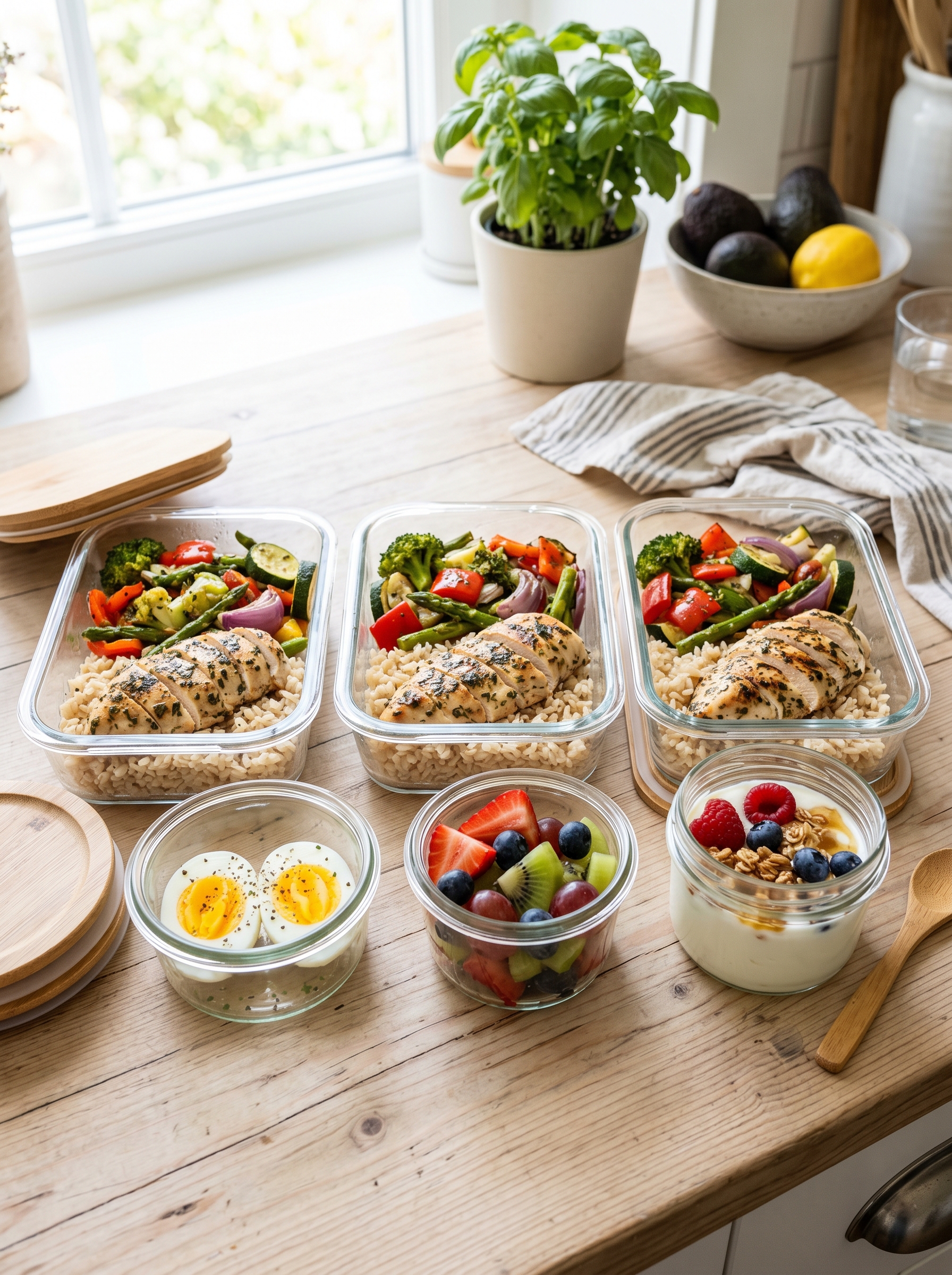
The balanced plate plan is one of the easiest ways to eat healthier. Instead of counting everything, you divide your plate into simple food groups.
A healthy plate usually includes vegetables, fruits, whole grains, protein, and healthy fats. This plan helps control portions while still giving your body important nutrients.
Best foods to include:
Vegetables, fruits, brown rice, oats, eggs, fish, chicken, beans, lentils, yogurt, nuts, and olive oil.
Why it helps:
It is simple, flexible, and easy for beginners.
2. Mediterranean Diet Plan
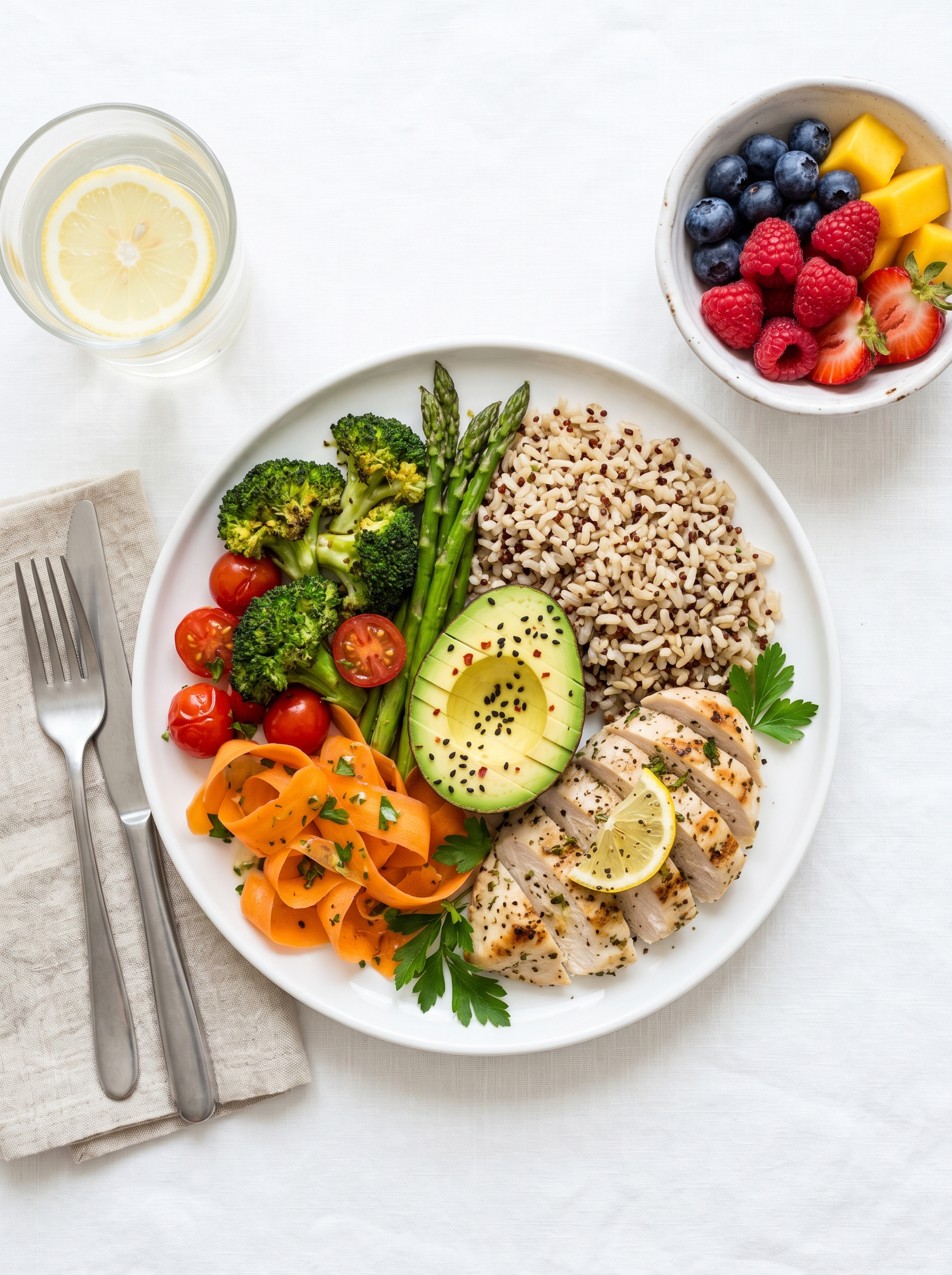
The Mediterranean diet focuses on fruits, vegetables, whole grains, beans, nuts, seeds, fish, and healthy fats like olive oil. It is known as one of the most sustainable eating styles.
Harvard Health notes that the Mediterranean diet is linked with better heart health and may support long-term weight management when followed consistently.
Best foods to include:
Olive oil, fish, salad, beans, whole grains, vegetables, berries, nuts, and herbs.
Why it helps:
It is not too restrictive and focuses on real, nutritious food.
3. DASH Diet Plan
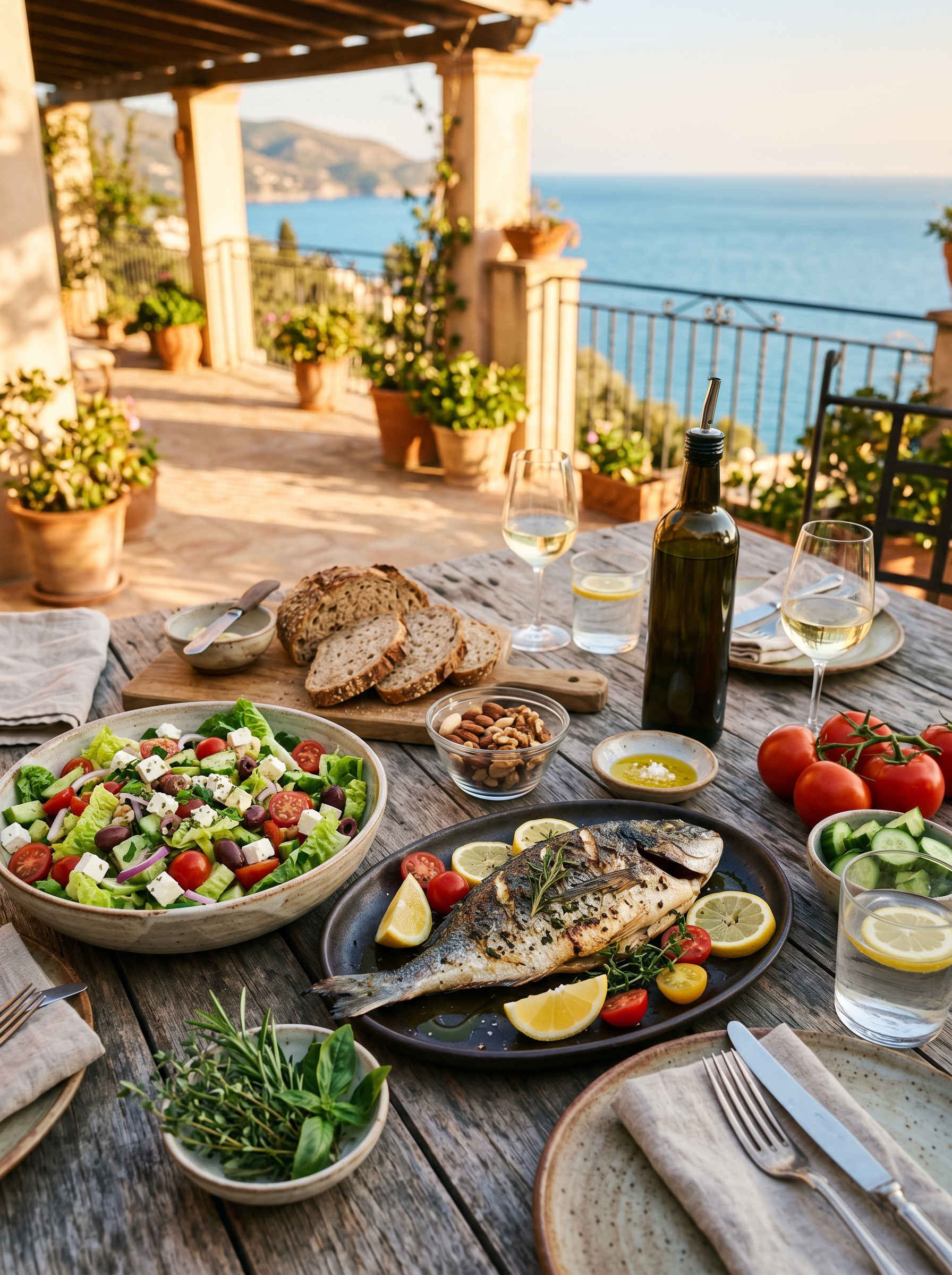
DASH stands for Dietary Approaches to Stop Hypertension. It was designed for heart health, but it can also support healthy weight management because it focuses on balanced, nutrient-rich foods.
The NHLBI describes DASH as a flexible eating plan that does not require special foods and encourages vegetables, fruits, whole grains, low-fat dairy, lean proteins, beans, nuts, and lower sodium choices.
Best foods to include:
Fruits, vegetables, low-fat dairy, whole grains, fish, poultry, beans, and nuts.
Why it helps:
It supports heart health and helps reduce highly processed foods.
4. High-Protein Balanced Diet Plan
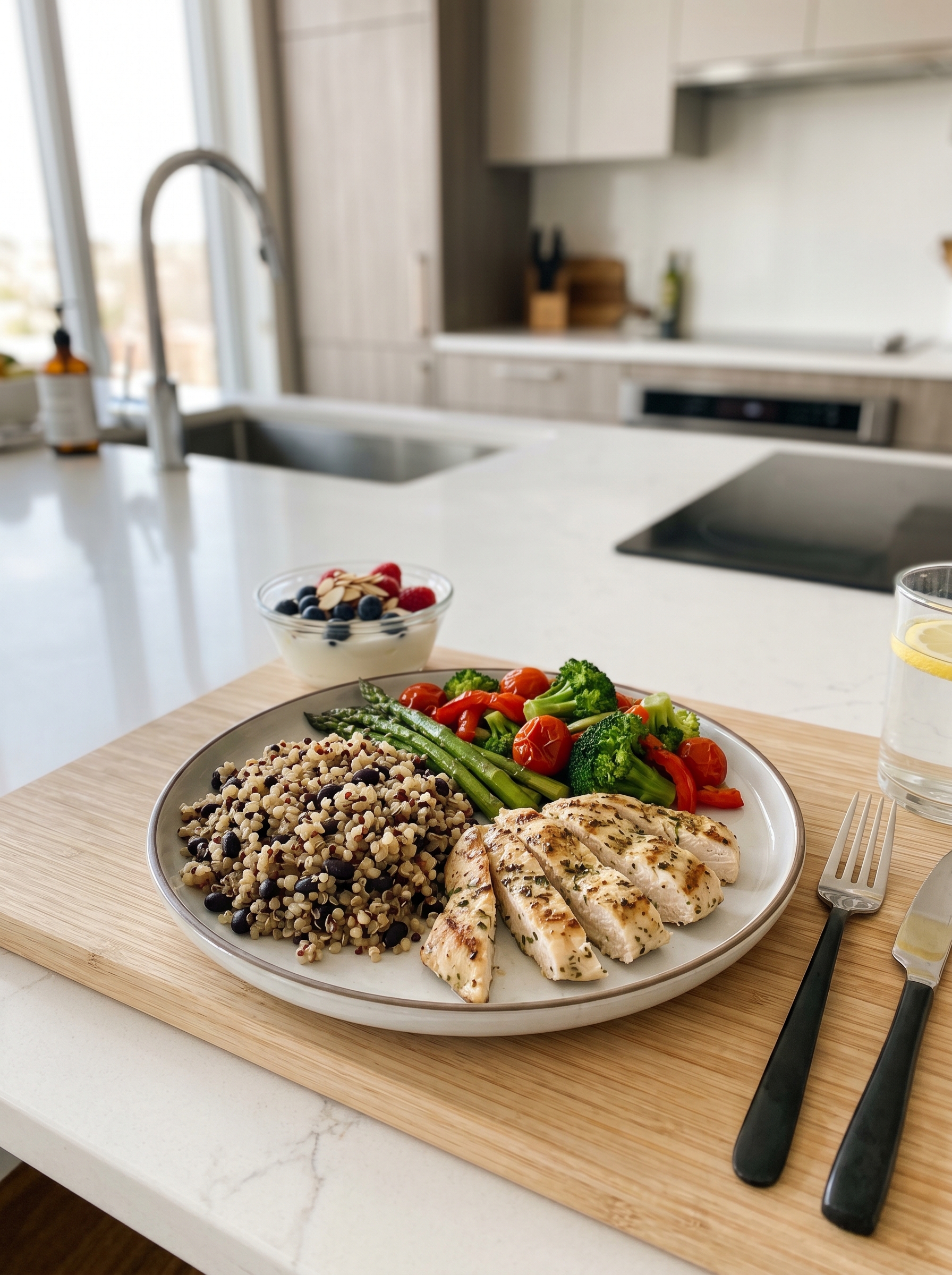
Protein helps you feel full and supports muscle health. A high-protein balanced plan includes protein in every meal without removing important food groups.
Best foods to include:
Eggs, Greek yogurt, chicken, fish, tofu, lentils, beans, cottage cheese, and nuts.
Why it helps:
It may reduce unnecessary snacking and helps maintain muscle while losing weight.
Important note:
Do not overdo protein or remove carbs completely. Your body still needs balanced nutrition.
5. High-Fiber Diet Plan
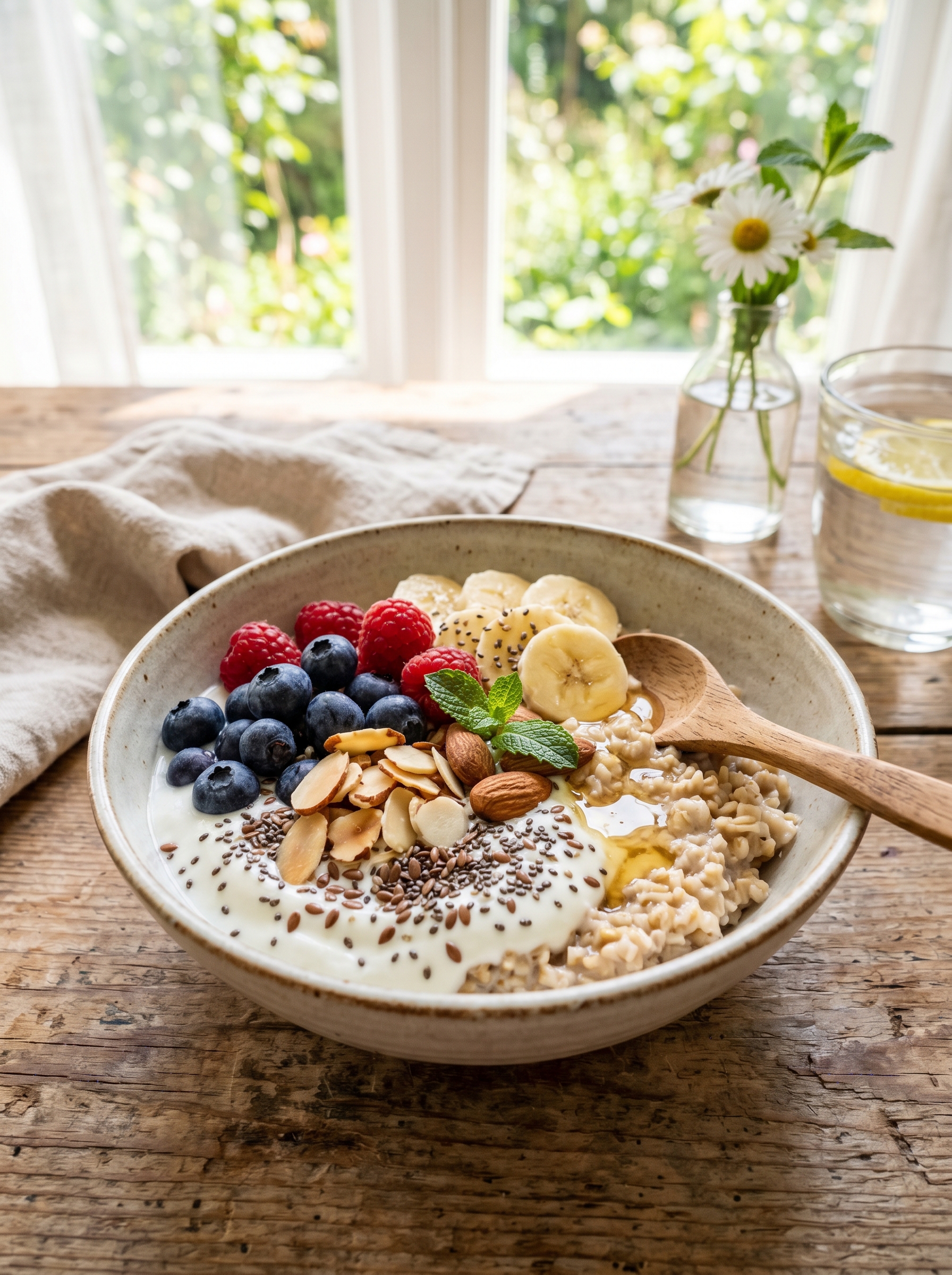
Fiber supports digestion and helps you feel full for longer. A high-fiber plan is great for people who want to eat more natural, filling foods.
Best foods to include:
Oats, beans, lentils, apples, berries, broccoli, carrots, chia seeds, whole wheat bread, and brown rice.
Why it helps:
Fiber-rich foods are filling and usually lower in calories compared to processed snacks.
6. Plant-Based Diet Plan
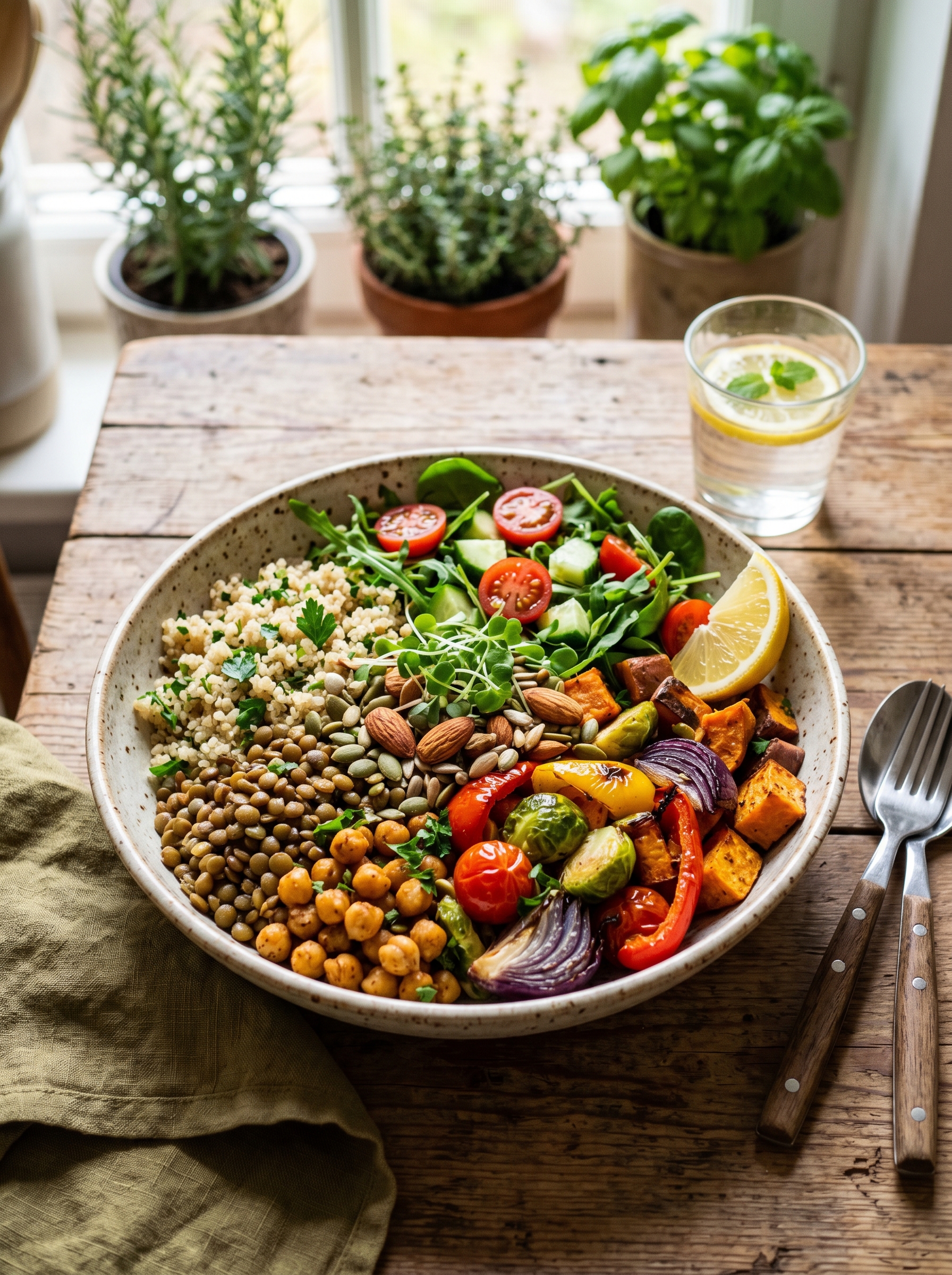
A plant-based diet focuses mostly on foods from plants, but it does not always mean fully vegan. You can follow a plant-forward plan while still including dairy, eggs, or fish if you prefer.
Best foods to include:
Lentils, chickpeas, beans, tofu, vegetables, fruits, oats, nuts, seeds, and whole grains.
Why it helps:
Plant-based meals are often high in fiber and nutrients.
Tip:
Make sure you get enough protein, iron, calcium, and vitamin B12 if you eat mostly plant-based foods.
7. Low-Glycemic Diet Plan
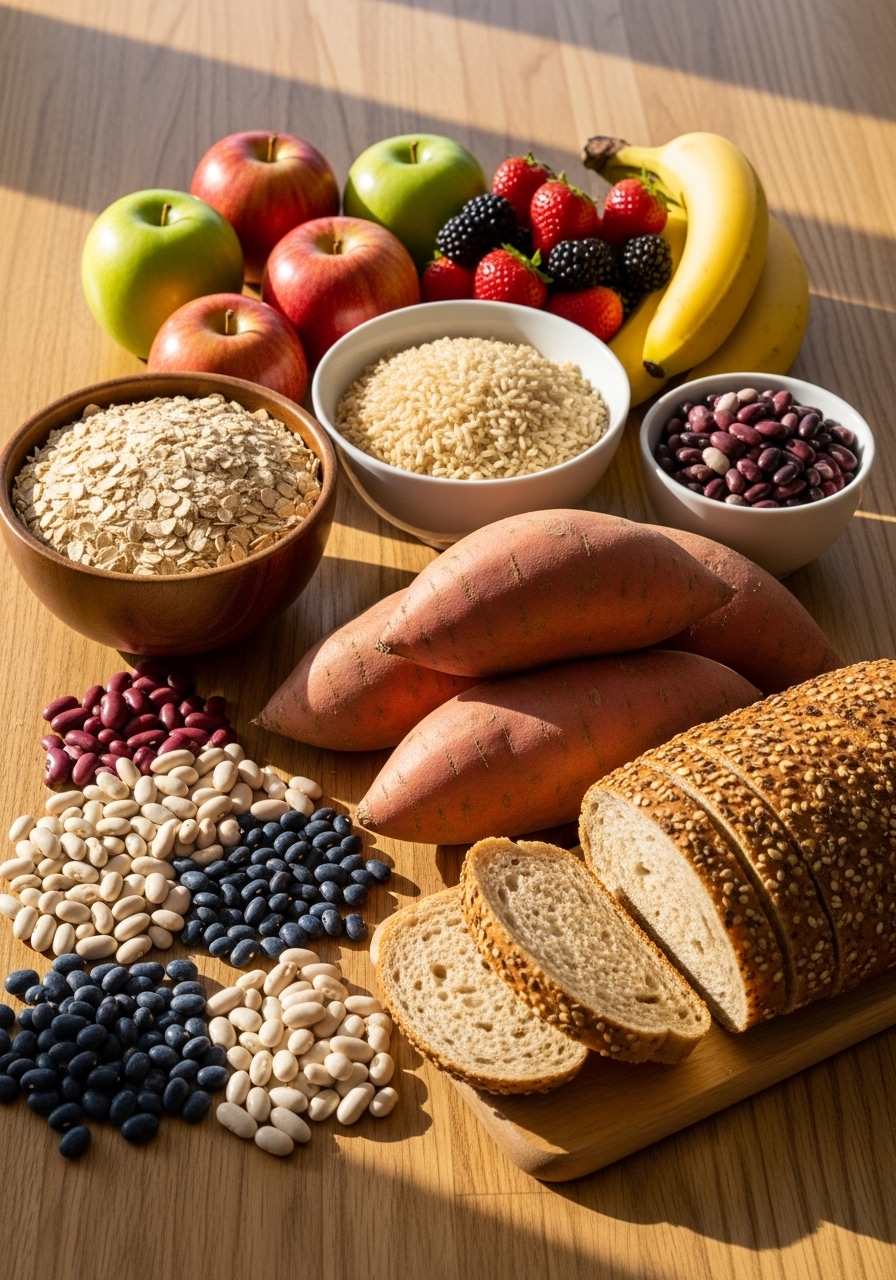
A low-glycemic plan focuses on foods that digest slowly and help keep energy more stable. It is often helpful for people who want to reduce sugar cravings.
Best foods to include:
Oats, lentils, beans, whole grains, vegetables, apples, berries, yogurt, nuts, and seeds.
Why it helps:
It can help you feel satisfied and avoid energy crashes.
8. Portion-Control Diet Plan

This plan does not ban foods. Instead, it teaches you to eat the right amount. It is useful for people who do not want a strict diet.
Simple portion ideas:
Fill half your plate with vegetables, one quarter with protein, and one quarter with whole grains or healthy carbs.
Why it helps:
It creates balance without making eating feel stressful.
9. Meal-Prep Diet Plan
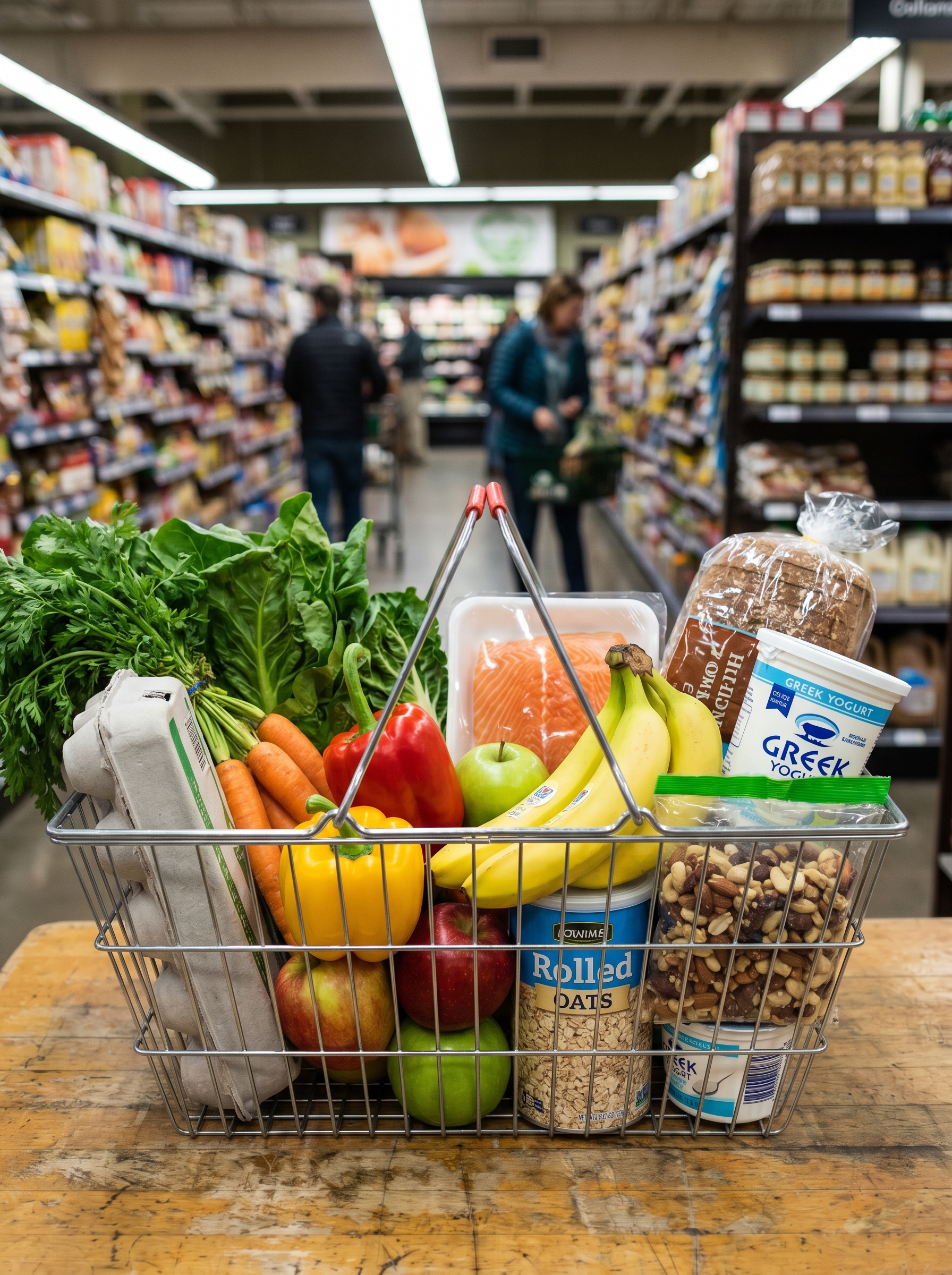
Meal prep means preparing meals or ingredients ahead of time. This helps you avoid fast food or unhealthy snacks when you are busy.
Meal-prep ideas:
Prepare grilled chicken, boiled eggs, rice, chopped vegetables, fruit boxes, overnight oats, or lentil soup.
Why it helps:
It saves time and makes healthy eating easier during the week.
10. Smart-Carb Diet Plan
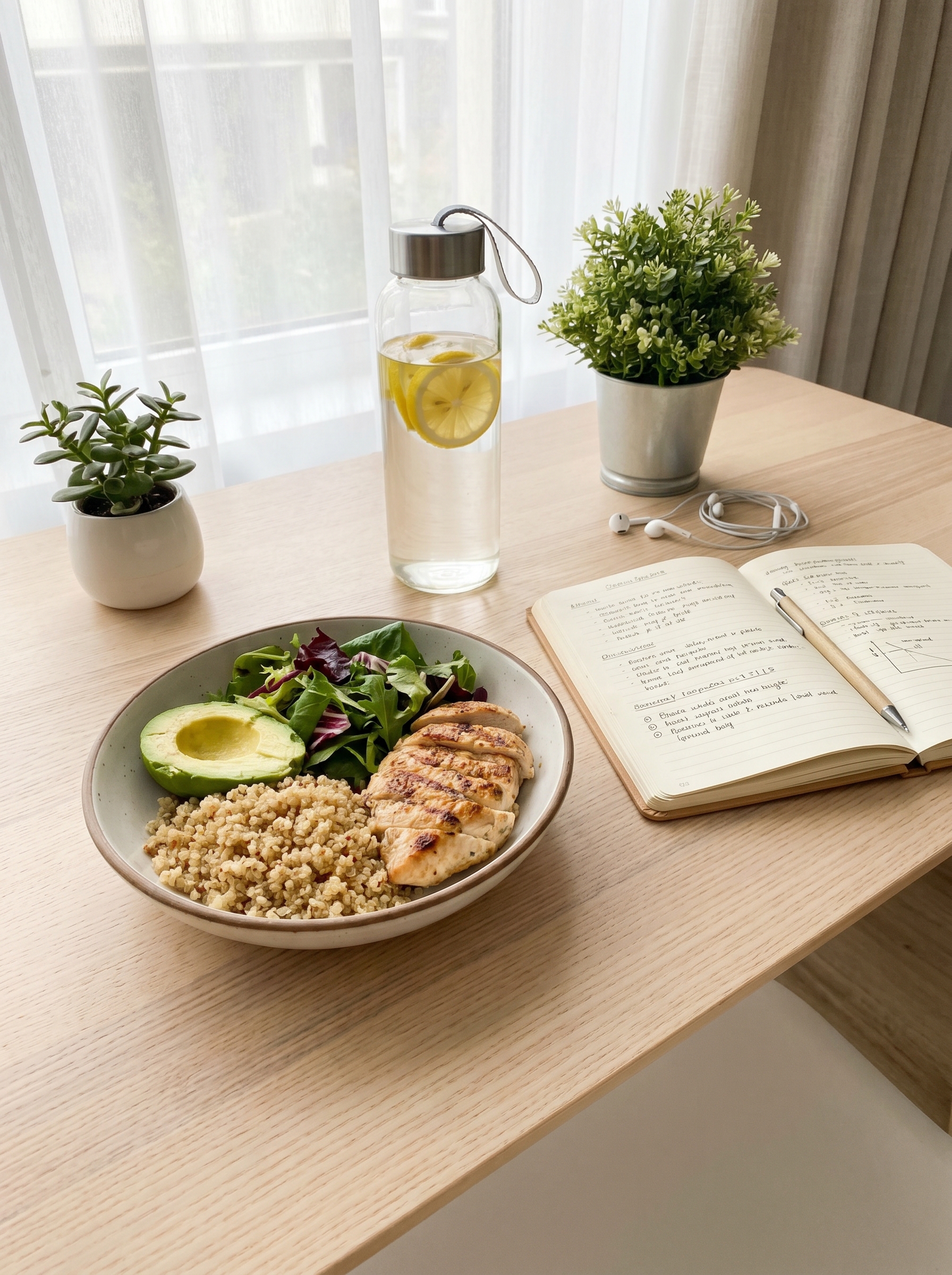
A smart-carb diet does not remove carbs. Instead, it replaces refined carbs with healthier options.
Choose more:
Oats, brown rice, whole wheat bread, potatoes, sweet potatoes, beans, lentils, and fruits.
Reduce:
Sugary drinks, cakes, white bread, candy, and highly processed snacks.
Why it helps:
It gives your body energy while reducing extra sugar and processed foods.
11. Mindful Eating Plan
Mindful eating is about paying attention to hunger, fullness, and eating habits. It helps you avoid emotional or distracted eating.
How to follow it:
Eat slowly, avoid eating while scrolling your phone, listen to your body, and stop when comfortably full.
Why it helps:
It improves your relationship with food and reduces overeating.
12. 80/20 Healthy Eating Plan
The 80/20 plan means eating nutritious foods most of the time while allowing some favorite foods in moderation.
Example:
80% of meals can include vegetables, protein, fruits, whole grains, and healthy fats. The other 20% can include treats occasionally.
Why it helps:
It feels realistic and reduces the chance of quitting.
Foods to Include in a Healthy Weight Loss Plan
A strong weight loss diet should include nutrient-rich foods such as fruits, vegetables, protein foods, whole grains, dairy or dairy alternatives, and healthy fats. Dietary guidelines also recommend limiting added sugars, saturated fat, and excess sodium as part of a healthy eating pattern.
Good options include:
Vegetables, fruits, eggs, fish, chicken, beans, lentils, oats, brown rice, yogurt, nuts, seeds, olive oil, and plenty of water.
Foods to Limit
You do not need to completely ban your favorite foods, but reducing some items can help.
Try to limit sugary drinks, deep-fried foods, fast food, packaged snacks, candies, cakes, and oversized portions.
Avoid crash diets, detox teas, diet pills, or plans that make you feel weak, dizzy, or guilty about eating.
Simple 1-Day Sample Meal Plan
Breakfast:
Oats with banana, nuts, and yogurt.
Lunch:
Grilled chicken or lentils with brown rice and salad.
Snack:
Fruit with nuts or yogurt.
Dinner:
Vegetable soup with eggs, fish, tofu, or beans.
Drink:
Water, lemon water, or unsweetened tea.
Conclusion
The best diet plan for weight loss is the one you can follow consistently without harming your health. Plans like the Mediterranean diet, DASH diet, balanced plate method, high-fiber eating, and meal prep can help you build better habits.
Healthy weight loss should never feel like punishment. Focus on real food, better portions, regular movement, good sleep, and patience. Long-term results come from small daily choices, not extreme restrictions.
FAQs
1. Which diet plan is best for weight loss?
The best plan is one that fits your lifestyle and includes balanced meals. The Mediterranean diet, DASH diet, balanced plate plan, and high-fiber diet are good options for many people.
2. Can I lose weight without skipping meals?
Yes. Skipping meals is not necessary. Eating balanced meals with protein, fiber, and healthy carbs can help you feel full and avoid overeating later.
3. Are carbs bad for weight loss?
No. Carbs are not bad. The better choice is to eat smart carbs like oats, brown rice, fruits, beans, lentils, and whole grains instead of sugary and highly processed foods.
4. How fast should weight loss happen?
Slow and steady weight loss is usually safer and easier to maintain. Mayo Clinic notes that many people aim for about 1 to 2 pounds per week, depending on their health and plan.
5. Do I need exercise with a diet plan?
Exercise helps, but weight loss is not only about workouts. Healthy eating, movement, sleep, and stress management all matter.
6. Is fasting good for everyone?
No. Fasting is not suitable for everyone, especially teens, pregnant people, or anyone with medical conditions. It is better to ask a healthcare professional before trying fasting.