15 Diet Plans for Weight Gain: Healthy, Balanced, and Practical Meal Ideas
Discover 15 healthy diet plans for weight gain with nutrient-rich meal ideas, practical tips, FAQs, and AI image prompts for blog visuals.
Introduction
Gaining weight in a healthy way is not about eating junk food all day. A smart weight-gain plan focuses on nutrient-rich foods, balanced meals, regular snacks, healthy fats, protein, and gradual progress. Health experts commonly recommend increasing calories slowly with quality foods rather than relying on sugary drinks, chips, or empty-calorie snacks. The NHS suggests adults may add around 300 to 500 extra calories per day for gradual weight gain, while Mayo Clinic recommends eating more frequently, choosing nutrient-dense foods, and adding smoothies or shakes when needed.
A good weight-gain diet should support energy, strength, digestion, and overall wellness. For teenagers, people with medical conditions, pregnancy, appetite loss, or sudden weight loss, it is best to speak with a doctor or registered dietitian before following a plan.
Healthy Weight Gain Tips Before Starting
Before choosing a diet plan, remember these basic rules:
Eat 3 main meals and 2–3 snacks daily if your appetite is low. Small, frequent meals can make it easier to increase intake without feeling overly full.
Choose foods from all food groups, including whole grains, dairy or alternatives, fruits, vegetables, protein foods, nuts, seeds, and healthy oils. The Academy of Nutrition and Dietetics recommends focusing on nutrient-rich foods first rather than filling up on empty calories.
Add extra calories naturally by using foods like nut butter, olive oil, avocado, cheese, milk, yogurt, nuts, seeds, eggs, rice, potatoes, oats, and smoothies. NHS guidance also recommends adding calorie-rich ingredients like cheese, nuts, and seeds to meals.
15 Diet Plans for Weight Gain
1. High-Calorie Balanced Diet Plan
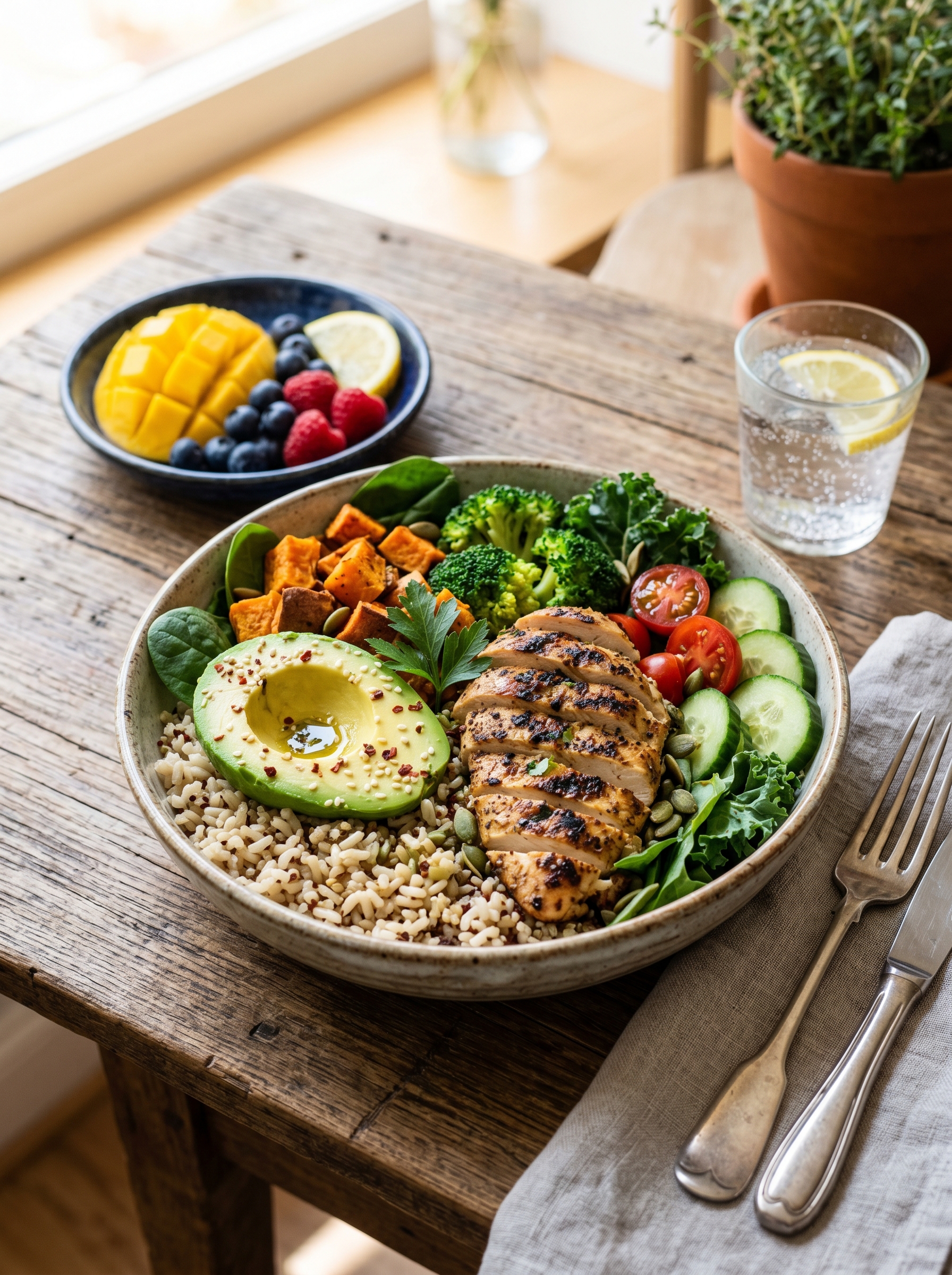
This plan is best for people who want a simple and balanced way to gain weight without following a complicated routine.
Main focus: balanced meals with extra calories.
Food ideas: rice, pasta, potatoes, eggs, chicken, fish, beans, yogurt, milk, nuts, bananas, dates, avocado, and olive oil.
Sample day:
Breakfast: Oats cooked with milk, banana, peanut butter, and honey.
Snack: Greek yogurt with nuts and dried fruit.
Lunch: Chicken rice bowl with vegetables and olive oil dressing.
Snack: Smoothie with milk, banana, oats, and dates.
Dinner: Pasta with meat sauce, cheese, and salad.
This plan works well because it adds calories through healthy foods rather than relying only on processed snacks.
2. High-Protein Weight Gain Plan
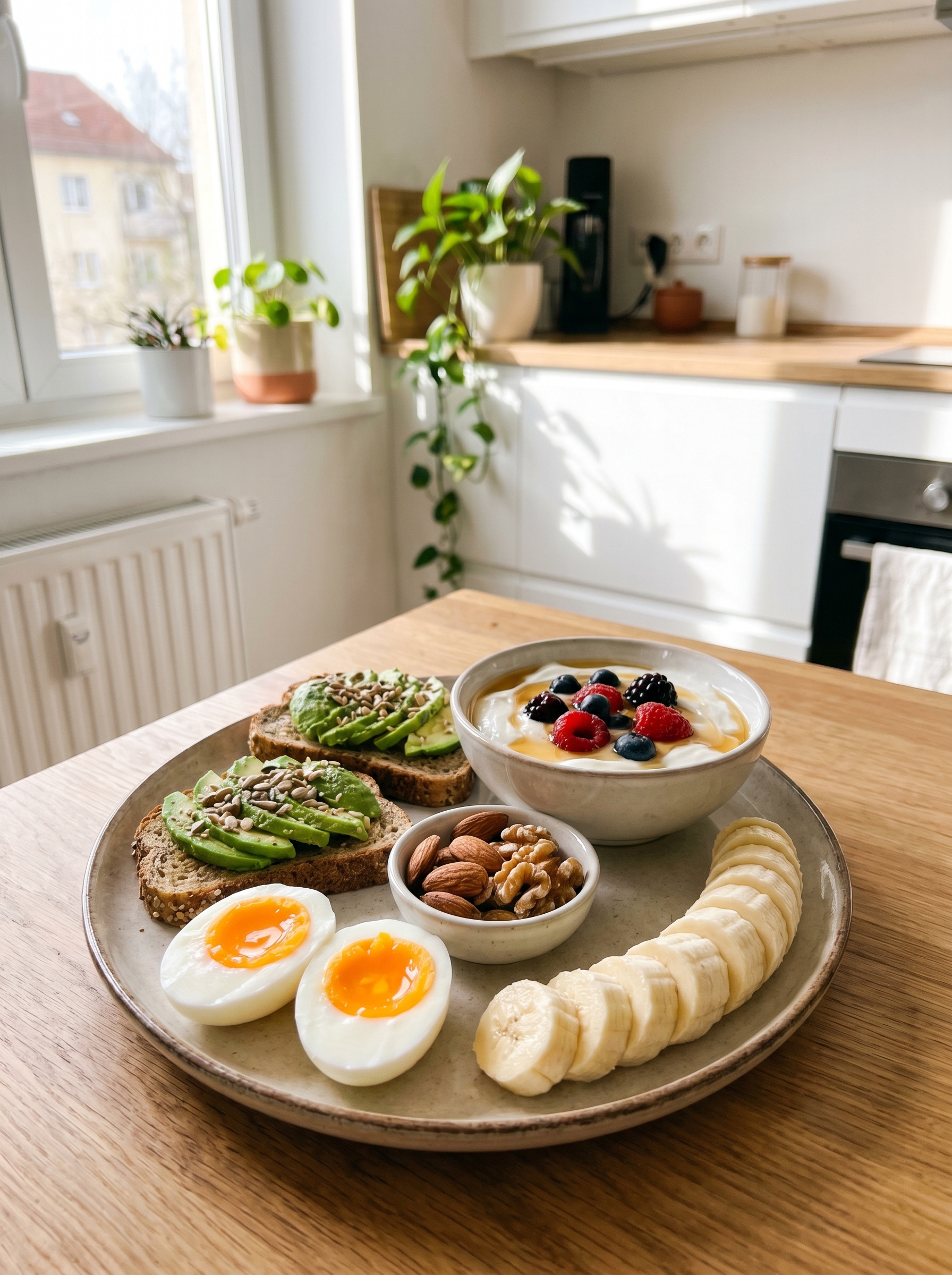
This plan is useful for people who want to gain strength and support muscle growth along with a proper workout routine. Protein helps repair and build body tissues, and Mayo Clinic recommends choosing nutrient-dense foods when trying to gain weight.
Main focus: protein in every meal.
Food ideas: eggs, chicken, fish, beef, lentils, beans, tofu, milk, yogurt, cottage cheese, nuts, and seeds.
Sample day:
Breakfast: 3 eggs with whole-grain toast and avocado.
Snack: Milkshake with banana and peanut butter.
Lunch: Grilled chicken with rice and vegetables.
Snack: Cottage cheese with fruit.
Dinner: Lentil curry with rice and yogurt.
3. Vegetarian Weight Gain Diet Plan
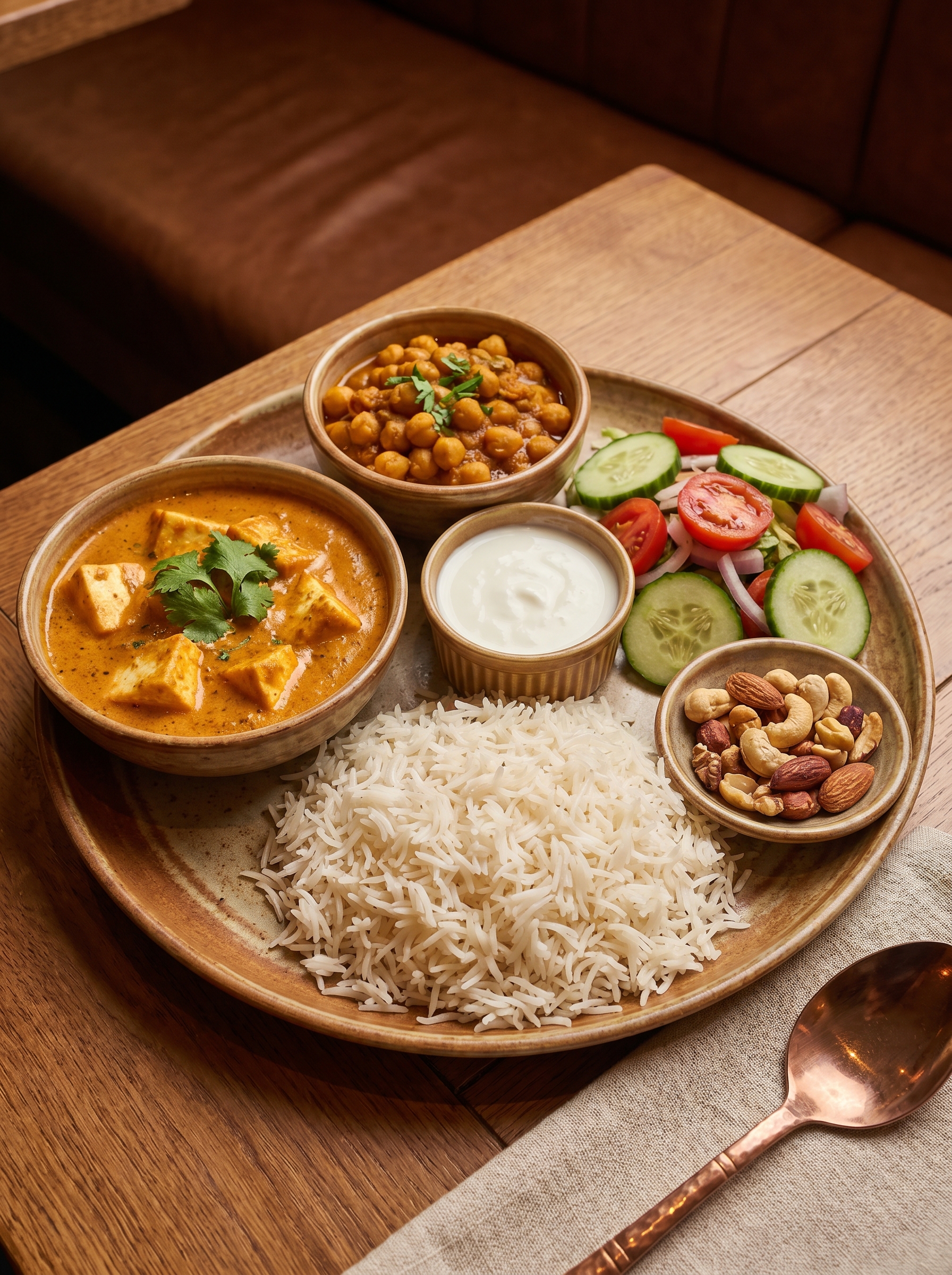
A vegetarian weight-gain diet can be very effective when it includes enough protein, healthy fats, and calorie-dense foods.
Main focus: plant-based and dairy-based calories.
Food ideas: lentils, chickpeas, beans, paneer, tofu, milk, yogurt, cheese, rice, potatoes, nuts, seeds, and whole grains.
Sample day:
Breakfast: Paratha with yogurt and fruit.
Snack: Trail mix with nuts, raisins, and seeds.
Lunch: Chickpea curry with rice.
Snack: Banana smoothie with milk and peanut butter.
Dinner: Paneer with chapati and vegetables.
4. Vegan Weight Gain Diet Plan
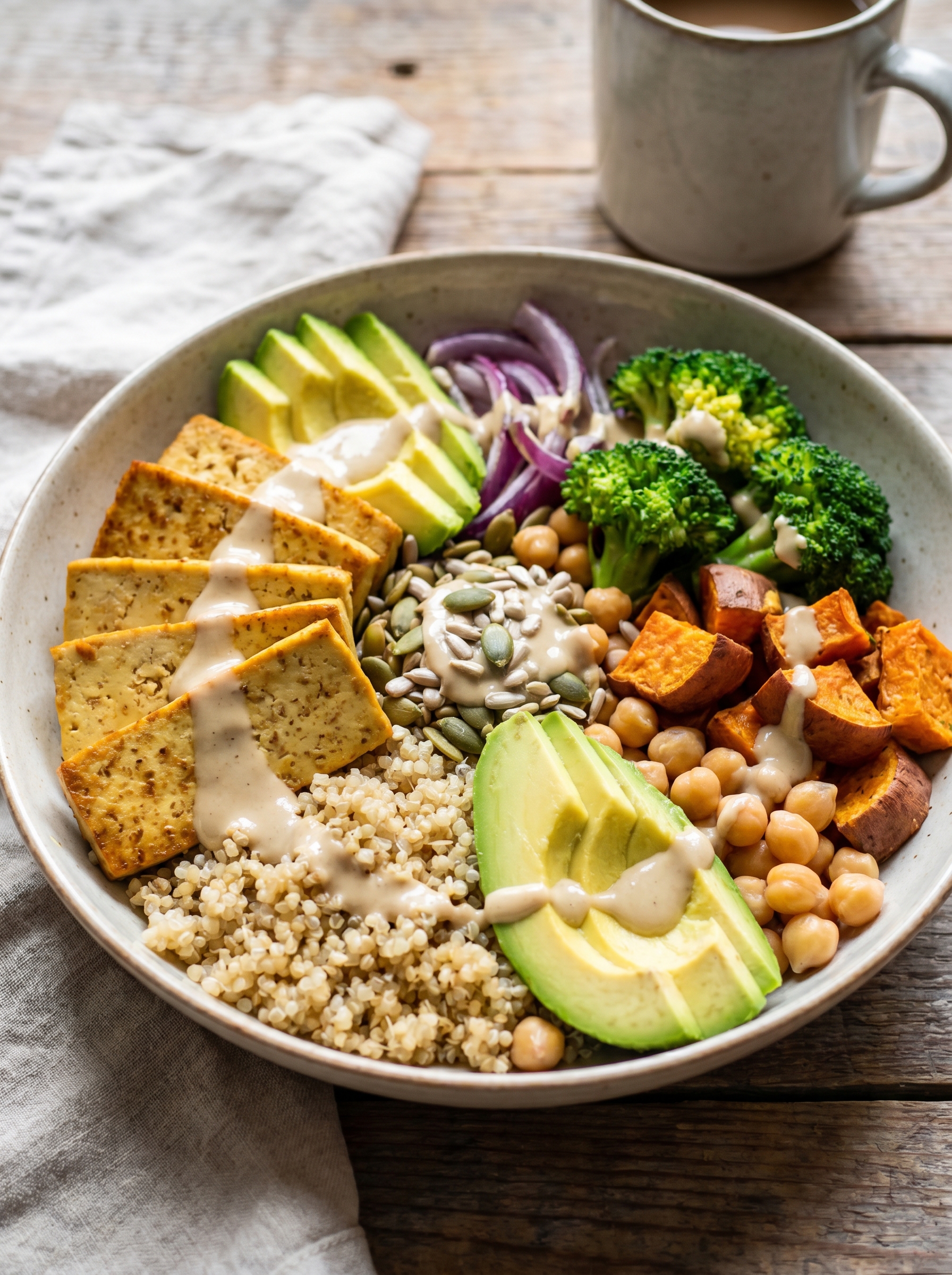
A vegan weight-gain plan should include calorie-dense plant foods and enough protein from beans, lentils, tofu, soy, nuts, and seeds.
Main focus: plant-based calories and protein.
Food ideas: tofu, tempeh, lentils, chickpeas, beans, oats, rice, quinoa, nut butter, avocado, coconut milk, olive oil, and smoothies.
Sample day:
Breakfast: Oats with soy milk, peanut butter, banana, and chia seeds.
Snack: Dates with almond butter.
Lunch: Rice bowl with tofu, beans, avocado, and vegetables.
Snack: Smoothie with plant milk, oats, banana, and peanut butter.
Dinner: Lentil pasta with olive oil and vegetables.
5. Budget-Friendly Weight Gain Plan
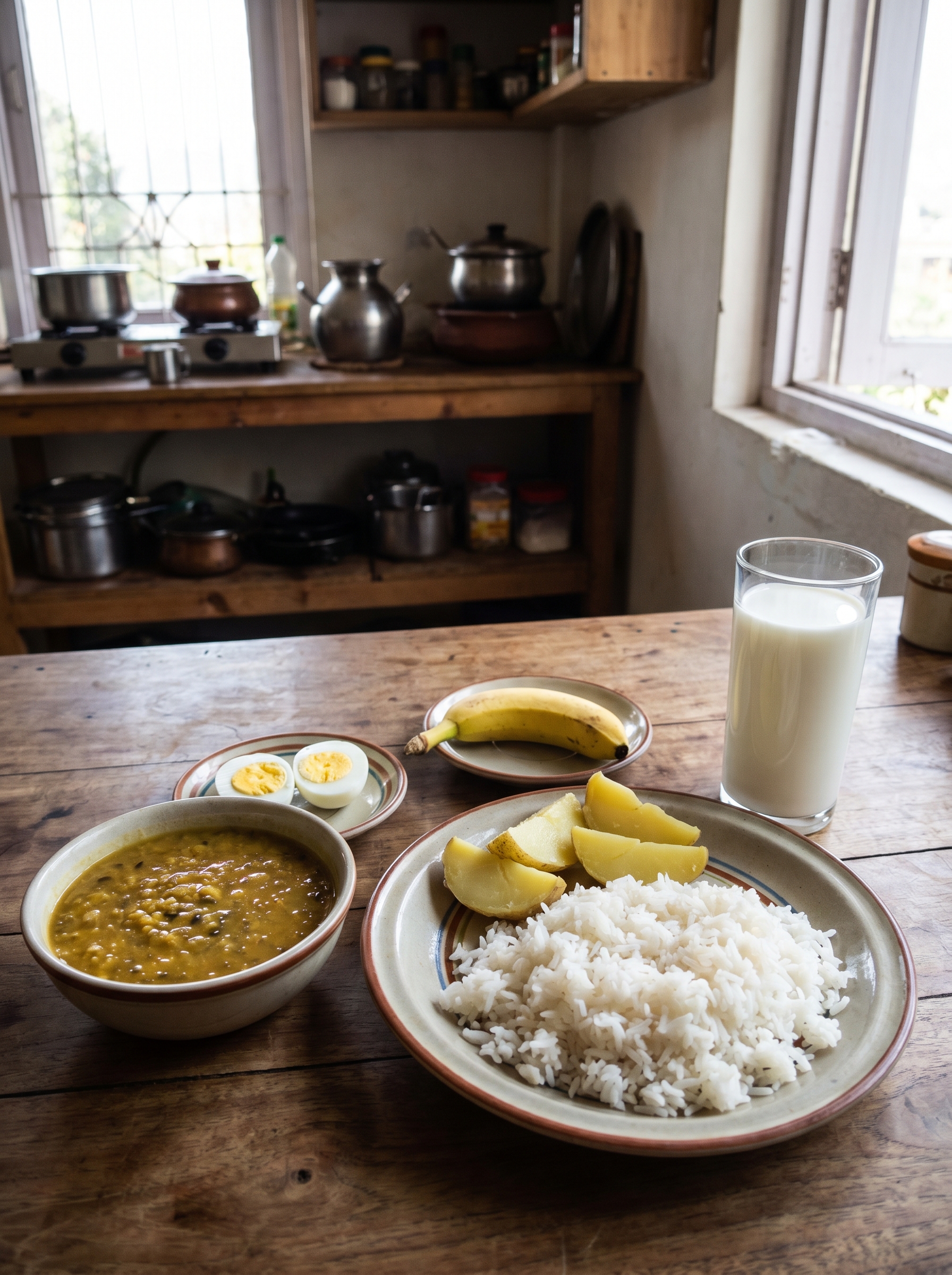
This plan is perfect for students or anyone who wants affordable weight-gain meals.
Main focus: low-cost, high-calorie foods.
Food ideas: eggs, rice, potatoes, oats, peanut butter, milk, lentils, beans, bananas, pasta, bread, yogurt, and seasonal fruits.
Sample day:
Breakfast: Oats with milk and banana.
Snack: Peanut butter sandwich.
Lunch: Rice with lentils and boiled eggs.
Snack: Yogurt with dates.
Dinner: Potato curry with chapati and salad.
This plan proves that gaining weight does not require expensive foods.
6. Smoothie-Based Weight Gain Plan
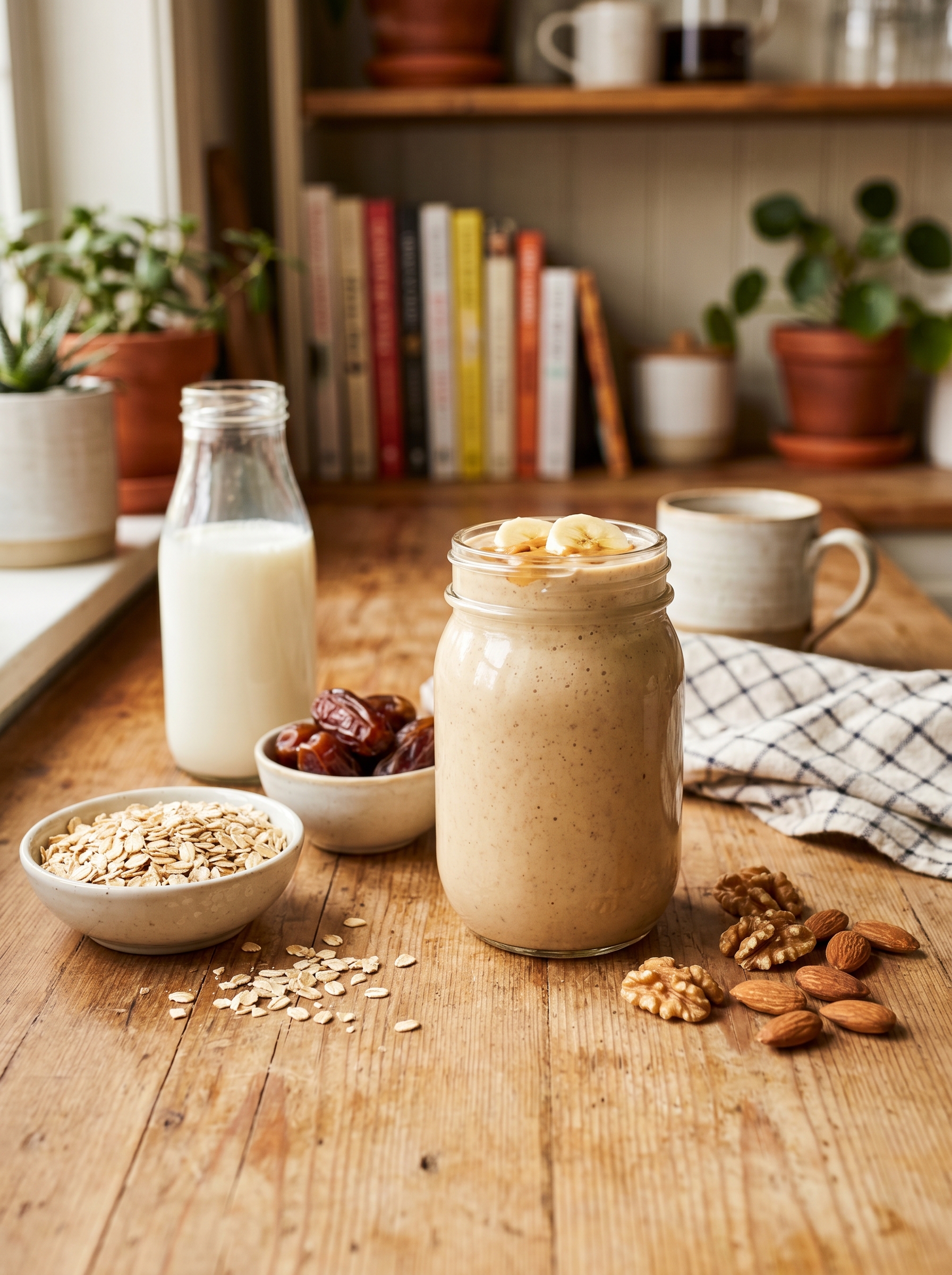
Smoothies are helpful for people who feel full quickly or struggle to eat large meals. Mayo Clinic also suggests smoothies and shakes as an option for people trying to gain weight.
Main focus: drinkable calories between meals.
Smoothie ideas:
Banana + milk + peanut butter + oats.
Dates + milk + almonds + honey.
Mango + yogurt + oats.
Avocado + milk + banana.
Coconut milk + banana + chia seeds.
Sample day:
Breakfast: Eggs with toast.
Snack: Banana peanut butter smoothie.
Lunch: Chicken rice bowl.
Snack: Mango yogurt smoothie.
Dinner: Pasta with cheese and vegetables.
7. High-Carb Weight Gain Plan
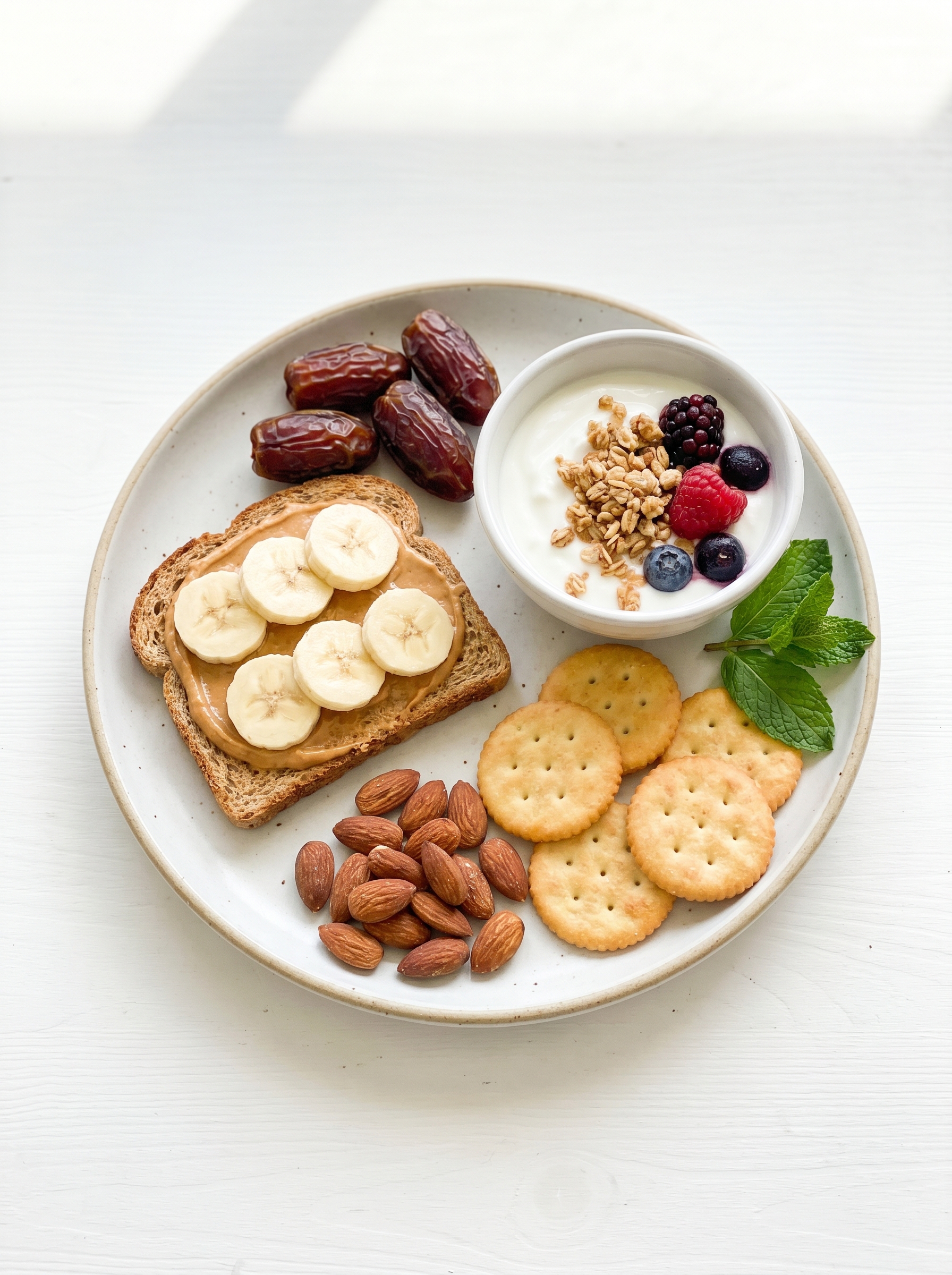
Carbohydrates are a major energy source and can make weight-gain meals easier to build.
Main focus: rice, pasta, bread, oats, potatoes, and whole grains.
Food ideas: rice, pasta, potatoes, oats, whole-grain bread, chapati, quinoa, fruit, beans, and starchy vegetables.
Sample day:
Breakfast: Oats with milk, banana, and nuts.
Snack: Toast with peanut butter.
Lunch: Rice with chicken or lentils.
Snack: Fruit smoothie.
Dinner: Pasta with cheese and vegetables.
8. Healthy Fats Weight Gain Plan
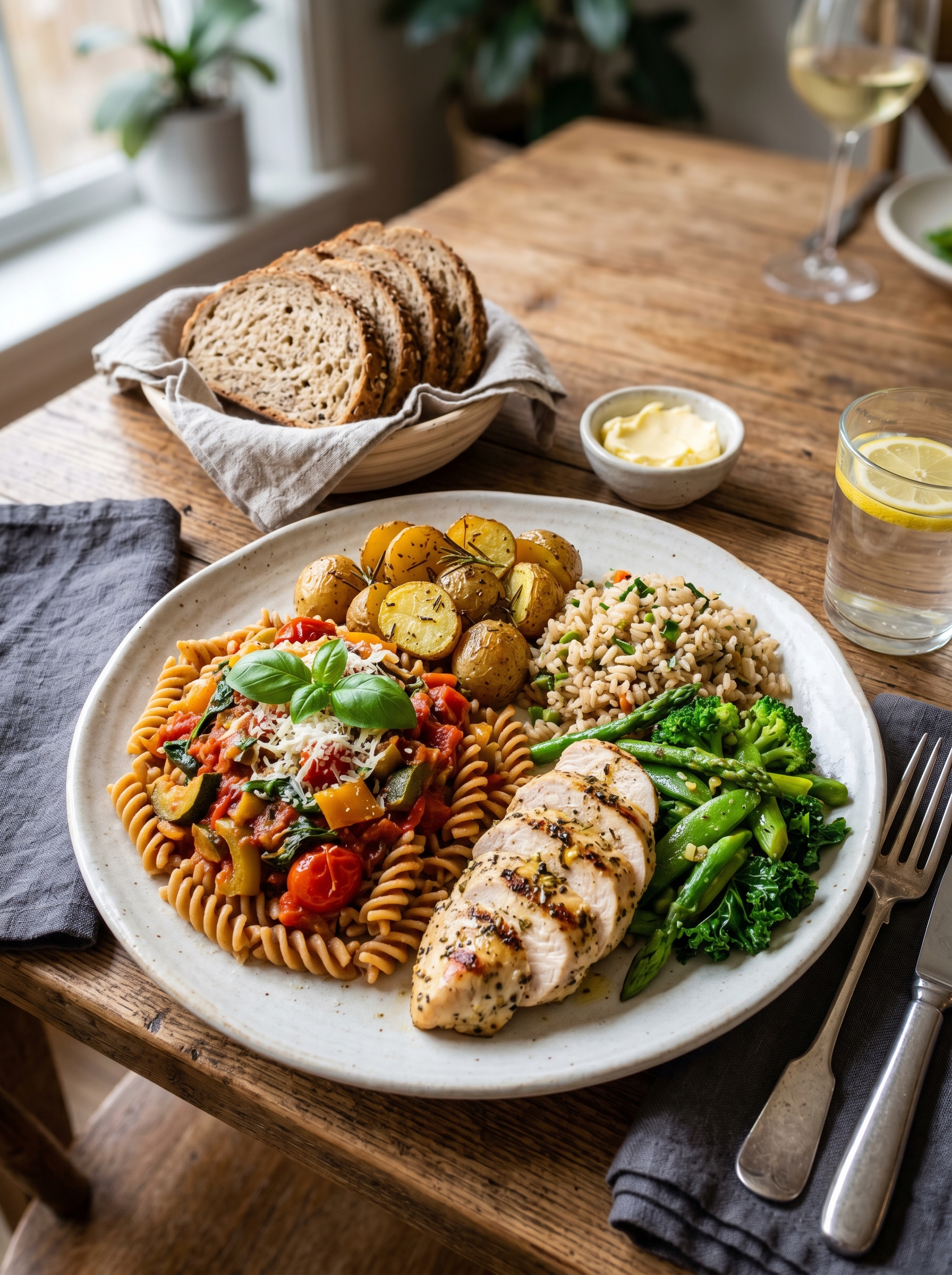
Healthy fats are calorie-dense, meaning small portions can add more energy to meals.
Main focus: nuts, seeds, oils, avocado, and dairy.
Food ideas: olive oil, avocado, peanut butter, almond butter, walnuts, almonds, chia seeds, flaxseeds, cheese, and full-fat yogurt.
Sample day:
Breakfast: Toast with avocado and eggs.
Snack: Nuts and dried fruit.
Lunch: Rice bowl with olive oil dressing.
Snack: Yogurt with seeds and honey.
Dinner: Salmon or paneer with potatoes and vegetables.
9. Muscle Gain Diet Plan
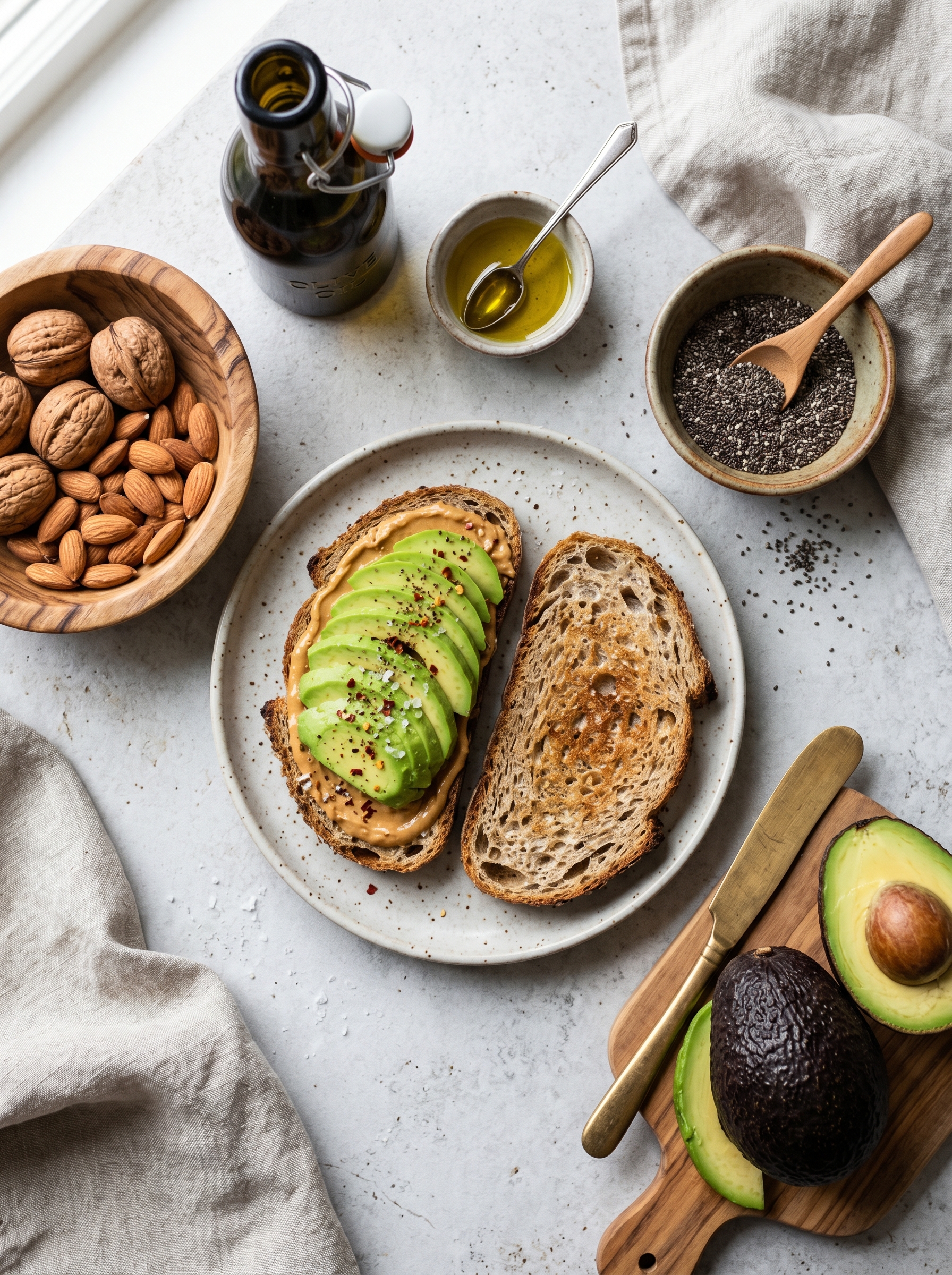
This plan is best when combined with safe strength training. Cleveland Clinic notes that strength training supports muscle maintenance and overall fitness.
Main focus: protein, carbs, and regular meals.
Food ideas: eggs, chicken, fish, lean meat, lentils, beans, rice, oats, potatoes, milk, yogurt, nuts, and fruit.
Sample day:
Breakfast: Eggs, oats, and banana.
Snack: Milk with dates.
Lunch: Chicken with rice and vegetables.
Snack: Yogurt with granola.
Dinner: Beef, fish, tofu, or lentils with potatoes.
10. Pakistani-Style Weight Gain Diet Plan
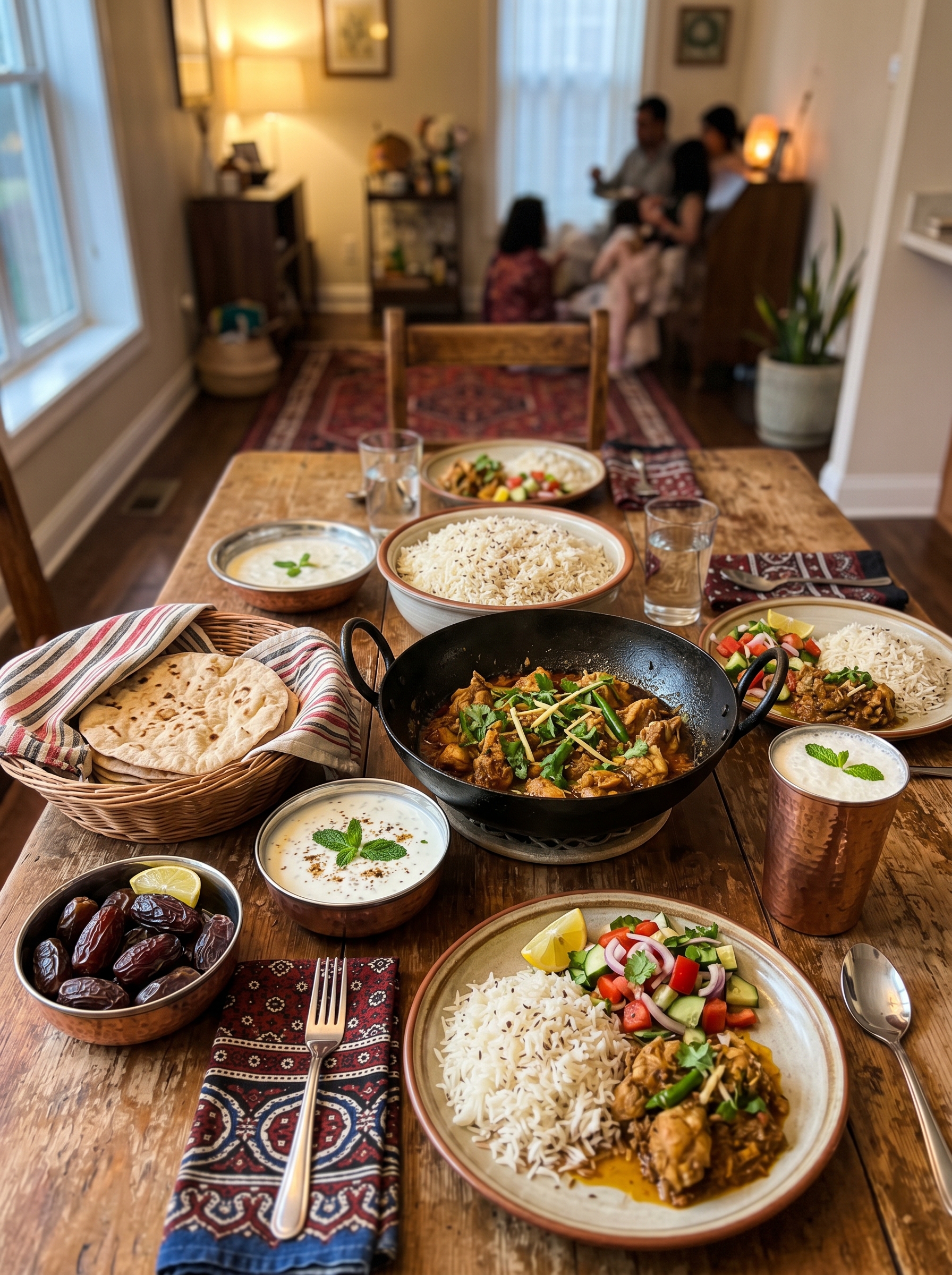
This plan uses common foods easily available in Pakistan.
Main focus: traditional meals with extra nutrition.
Food ideas: paratha, eggs, lassi, rice, daal, chicken karahi, chapati, yogurt, potatoes, milk, dates, nuts, and seasonal fruit.
Sample day:
Breakfast: Egg paratha with milk.
Snack: Banana shake with dates.
Lunch: Chicken curry with rice and salad.
Snack: Yogurt with nuts.
Dinner: Daal, chapati, potato curry, and lassi.
11. Indian-Style Weight Gain Diet Plan
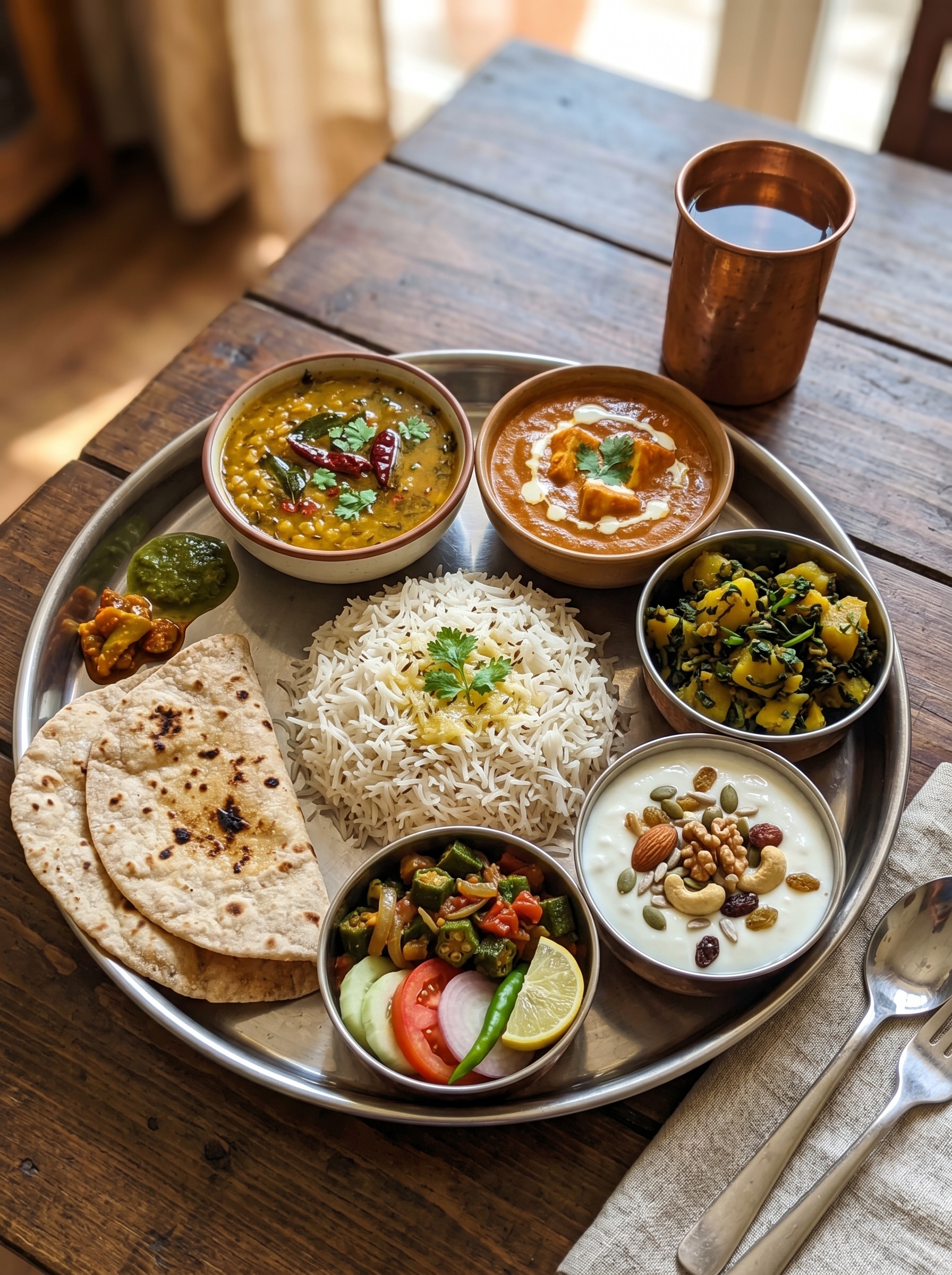
This plan includes vegetarian and non-vegetarian options.
Main focus: calorie-rich home foods.
Food ideas: paneer, dal, rice, roti, ghee in moderation, curd, milk, eggs, chicken, nuts, bananas, and potatoes.
Sample day:
Breakfast: Poha with peanuts and curd.
Snack: Banana milkshake.
Lunch: Dal rice with paneer or chicken.
Snack: Roasted chana and nuts.
Dinner: Roti with vegetable curry and yogurt.
12. Weight Gain Plan for Busy People
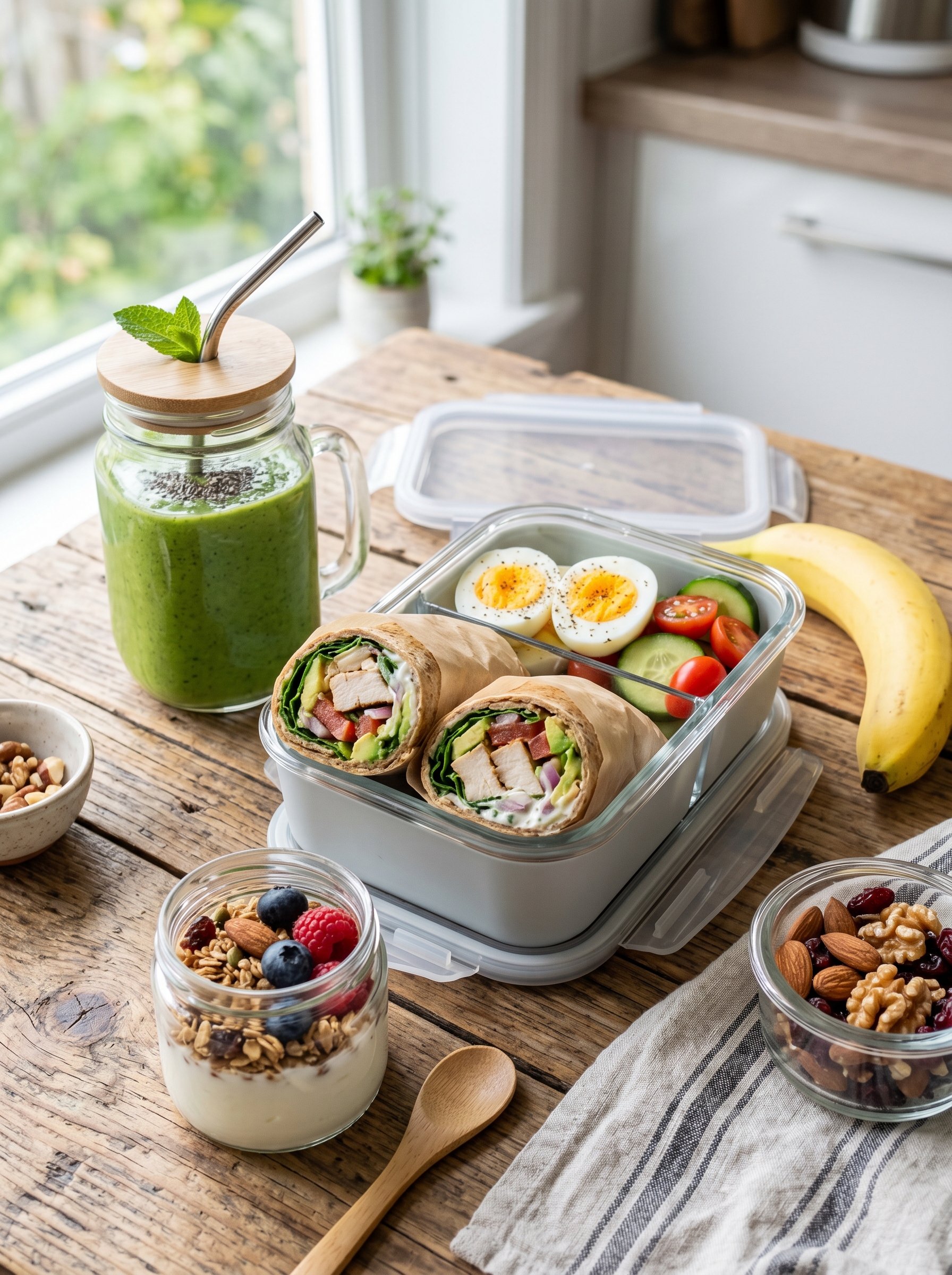
This plan is for people who do not have much time to cook.
Main focus: quick meals and portable snacks.
Food ideas: sandwiches, smoothies, boiled eggs, yogurt cups, nuts, granola, wraps, rice bowls, peanut butter toast, and ready-cooked lentils.
Sample day:
Breakfast: Peanut butter banana toast.
Snack: Yogurt with granola.
Lunch: Chicken or chickpea wrap.
Snack: Nuts and dates.
Dinner: Quick rice bowl with eggs or tofu.
13. High-Calorie Snack Plan
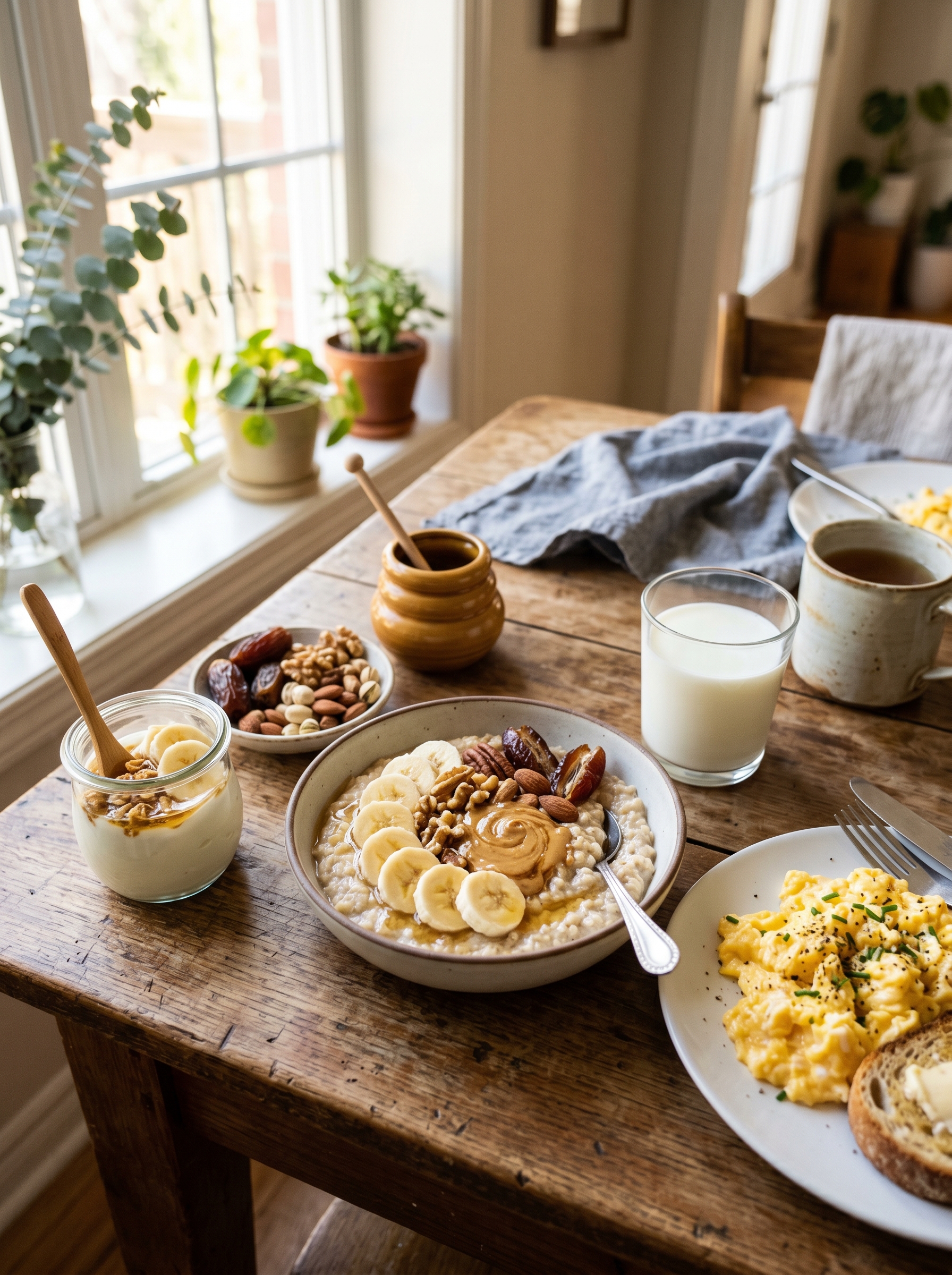
This plan adds extra snacks between meals instead of increasing meal size too much. Columbia University Irving Medical Center recommends combining protein, fat, and carbohydrates in snacks for healthy weight gain.
Main focus: 2–3 calorie-rich snacks daily.
Snack ideas:
Peanut butter sandwich.
Yogurt with granola.
Cheese and crackers.
Banana with nut butter.
Dates with almonds.
Smoothie with oats.
Boiled eggs with toast.
Sample day:
Breakfast: Oats with milk.
Snack: Peanut butter sandwich.
Lunch: Rice with chicken.
Snack: Yogurt and granola.
Dinner: Pasta with cheese.
Snack: Milk with dates.
14. High-Calorie Breakfast Plan
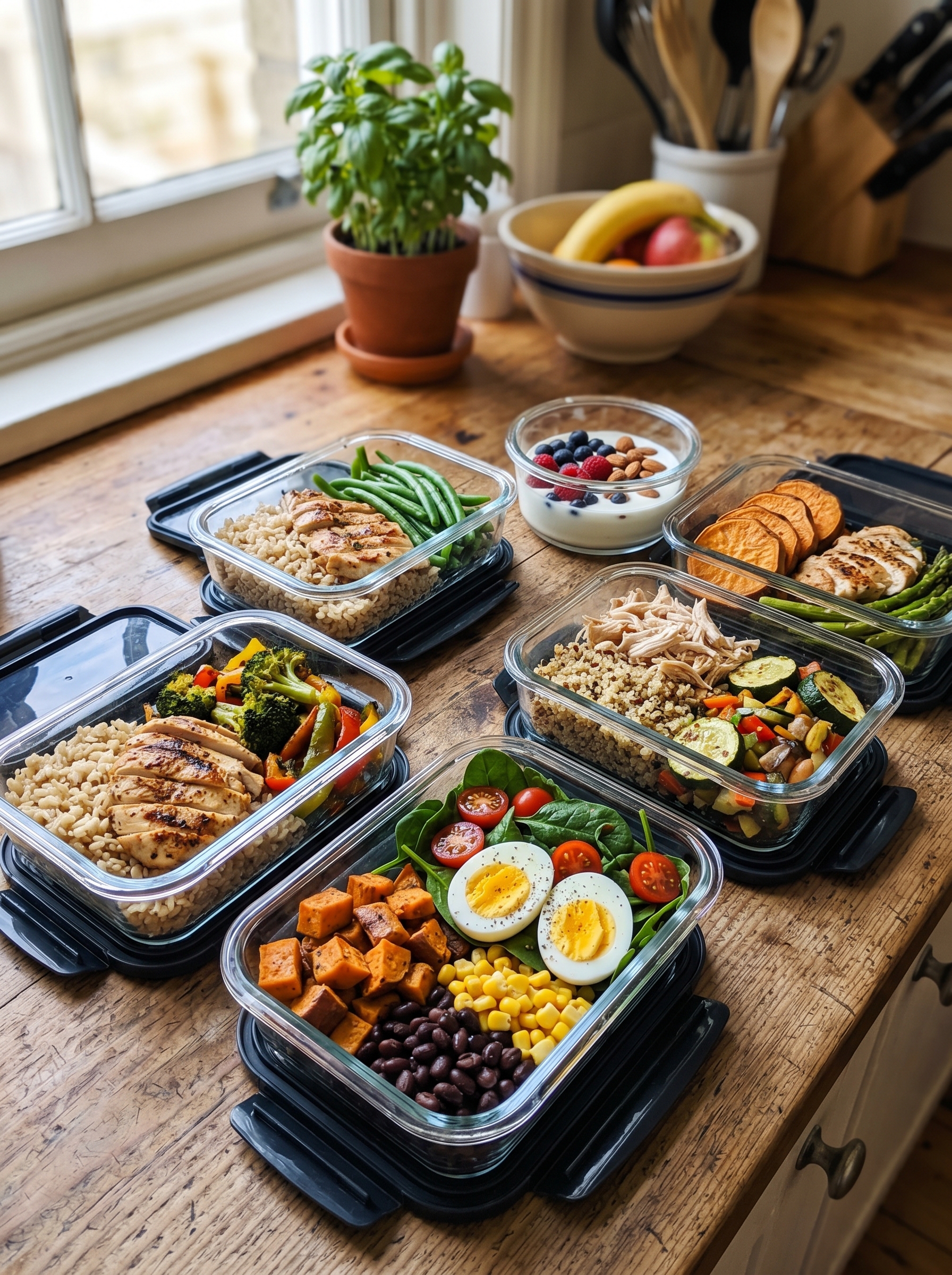
A strong breakfast can make it easier to reach daily nutrition goals.
Main focus: bigger, nutrient-rich breakfast.
Breakfast ideas:
Oats with milk, banana, nuts, and honey.
Egg paratha with yogurt.
Peanut butter toast with smoothie.
Pancakes with fruit and yogurt.
Cheese omelet with whole-grain bread.
Sample day:
Breakfast: Oats with milk, peanut butter, banana, and dates.
Snack: Nuts and fruit.
Lunch: Chicken pasta.
Snack: Smoothie.
Dinner: Rice with lentils and vegetables.
15. Balanced Family Meal Weight Gain Plan
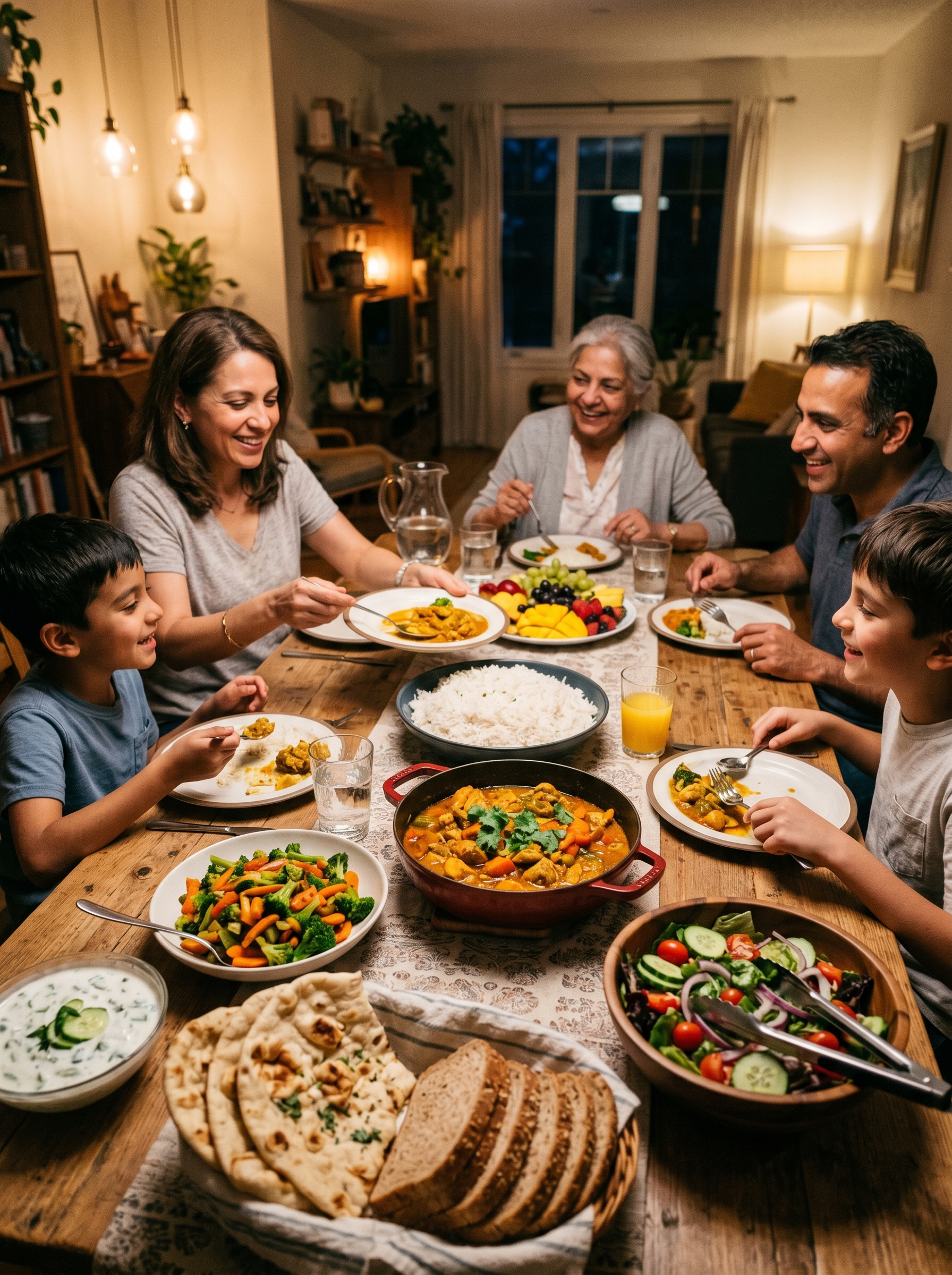
This plan is good for people who want normal family meals with small calorie upgrades.
Main focus: adding extra nutrition to everyday meals.
Easy upgrades:
Add olive oil to rice, pasta, or vegetables.
Add cheese to eggs, sandwiches, or pasta.
Add nuts and seeds to oatmeal or yogurt.
Use milk instead of water in oats or shakes.
Add avocado or peanut butter to snacks.
Sample day:
Breakfast: Omelet with cheese and toast.
Snack: Milkshake with banana.
Lunch: Family rice meal with extra yogurt and salad.
Snack: Nuts and fruit.
Dinner: Chapati with curry, vegetables, and lassi.
Best Foods for Healthy Weight Gain
Some of the best foods to include are:
Whole milk, yogurt, cheese, eggs, chicken, fish, lentils, beans, rice, oats, pasta, potatoes, whole-grain bread, olive oil, avocado, peanut butter, almonds, walnuts, dates, bananas, mangoes, and homemade smoothies.
The goal is to eat more calories while still getting vitamins, minerals, protein, fiber, and healthy fats. Empty calories from sugary drinks and junk foods may increase weight, but they do not provide the same nutrition needed for strong bones, muscles, and overall health.
Common Mistakes to Avoid
Do not depend only on fast food or sugary snacks.
Do not skip meals and then try to eat everything at night.
Do not force yourself to eat until uncomfortable.
Do not ignore sudden weight loss, low appetite, stomach issues, or tiredness.
Do not follow extreme diet advice from social media.
Do not use weight-gain pills or unknown supplements without medical advice.
Healthy weight gain should feel steady, balanced, and sustainable.
Conclusion
A healthy weight-gain journey is built on consistency, not extreme eating. The best diet plan is one that fits your lifestyle, budget, culture, appetite, and health needs. Whether you choose a high-protein plan, smoothie-based plan, vegetarian plan, Pakistani-style plan, or budget-friendly plan, the main goal is the same: eat nutrient-rich meals more often and add healthy calories gradually.
Focus on balanced meals, regular snacks, protein, healthy fats, whole grains, fruits, vegetables, and homemade shakes. With patience and the right approach, weight gain can become healthier, easier, and more sustainable.
FAQs About Weight Gain Diet Plans
1. What is the best diet plan for weight gain?
The best plan is one that includes regular meals, healthy snacks, protein, carbs, and healthy fats. A balanced diet with foods like rice, eggs, milk, yogurt, nuts, potatoes, oats, lentils, chicken, fish, and smoothies can help support healthy weight gain.
2. How many meals should I eat daily to gain weight?
Many people do well with 3 main meals and 2–3 snacks per day. Smaller, frequent meals can help if you feel full quickly.
3. Are smoothies good for weight gain?
Yes, homemade smoothies can be helpful because they add calories in an easy-to-drink form. Good ingredients include milk, banana, oats, dates, peanut butter, yogurt, mango, and nuts.
4. Can I gain weight without eating junk food?
Yes. You can gain weight with nutrient-rich foods like rice, potatoes, oats, eggs, dairy, nuts, seeds, lentils, beans, chicken, fish, avocado, and olive oil.
5. What should I eat before bed for weight gain?
Good bedtime snack options include milk with dates, yogurt with nuts, peanut butter toast, banana smoothie, or cottage cheese with fruit.
6. How can vegetarians gain weight?
Vegetarians can gain weight by eating foods like paneer, milk, yogurt, lentils, chickpeas, beans, tofu, nuts, seeds, rice, potatoes, oats, and smoothies.
7. Is exercise needed for weight gain?
Exercise, especially strength training, can help support muscle gain and overall fitness when paired with enough food.
8. How fast should weight gain happen?
Healthy weight gain is usually gradual. The NHS suggests adults can try adding about 300–500 extra calories daily for steady progress.