22 Diet Plans for Weight Loss: Healthy, Simple & Sustainable Ideas
Discover 22 healthy diet plans for weight loss, including balanced plate meals, Mediterranean, DASH, high-protein, high-fiber, vegetarian, vegan, and meal-prep plans. Includes FAQs and AI image prompts.
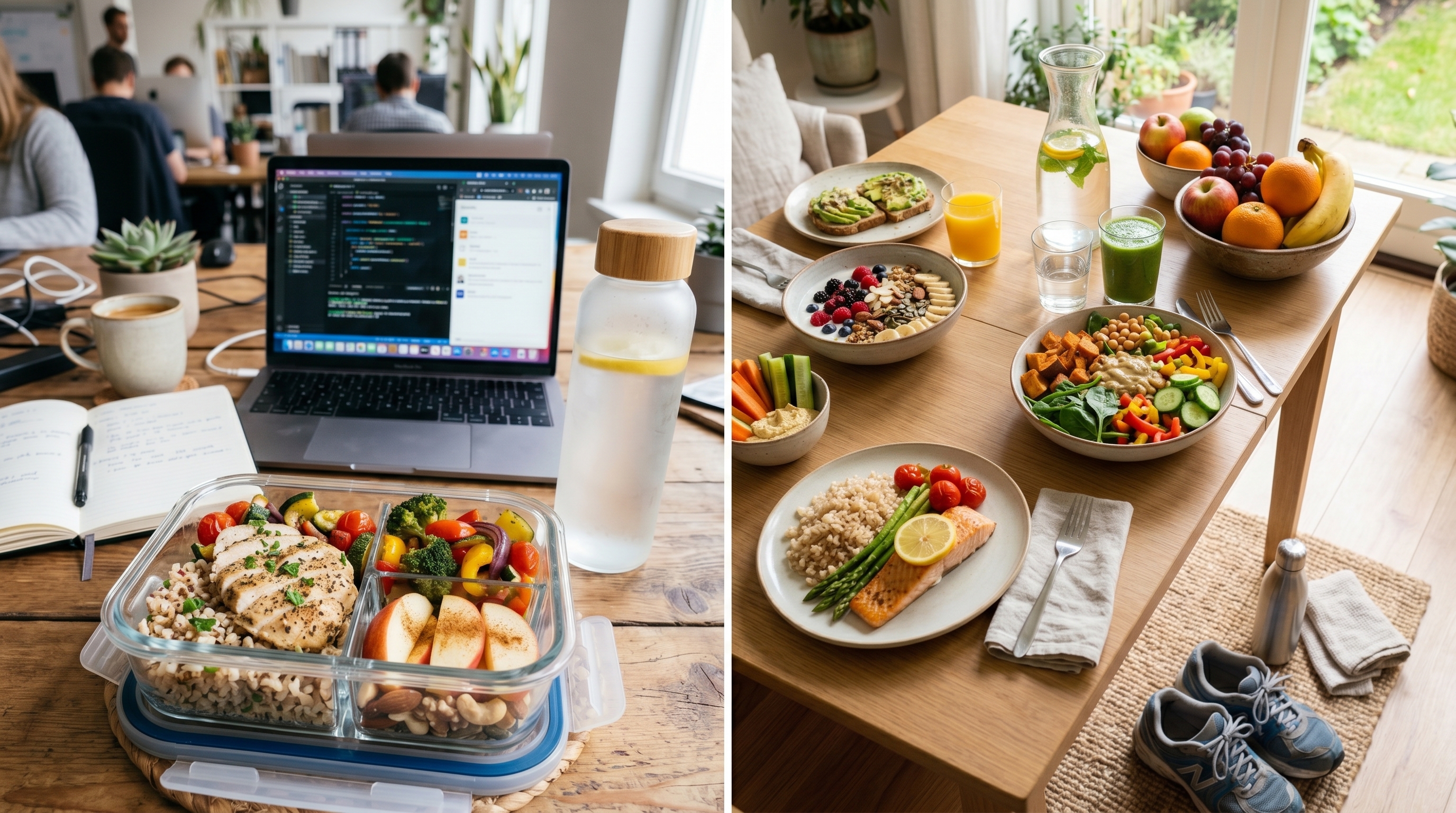
Introduction
Weight loss works best when it is safe, realistic, and sustainable. Instead of crash dieting, the goal should be to build eating habits that include balanced meals, proper portions, regular physical activity, enough sleep, and consistency. The CDC notes that gradual weight loss of about 1 to 2 pounds per week is more likely to be maintained long term, while NIDDK recommends weight-loss programs that include realistic goals, healthy eating, physical activity, guidance, and long-term support.
A good weight-loss diet should not feel like punishment. It should include vegetables, fruits, whole grains, lean proteins, healthy fats, and water while reducing excess sugary drinks, oversized portions, and highly processed foods. Harvard’s Healthy Eating Plate also recommends building meals around vegetables, fruits, whole grains, healthy proteins, and healthy oils.
Important note: This blog is for general educational content. People who are teenagers, pregnant, underweight, have diabetes, eating disorder history, or any medical condition should speak with a doctor or registered dietitian before starting a weight-loss plan.
1. Balanced Plate Diet Plan
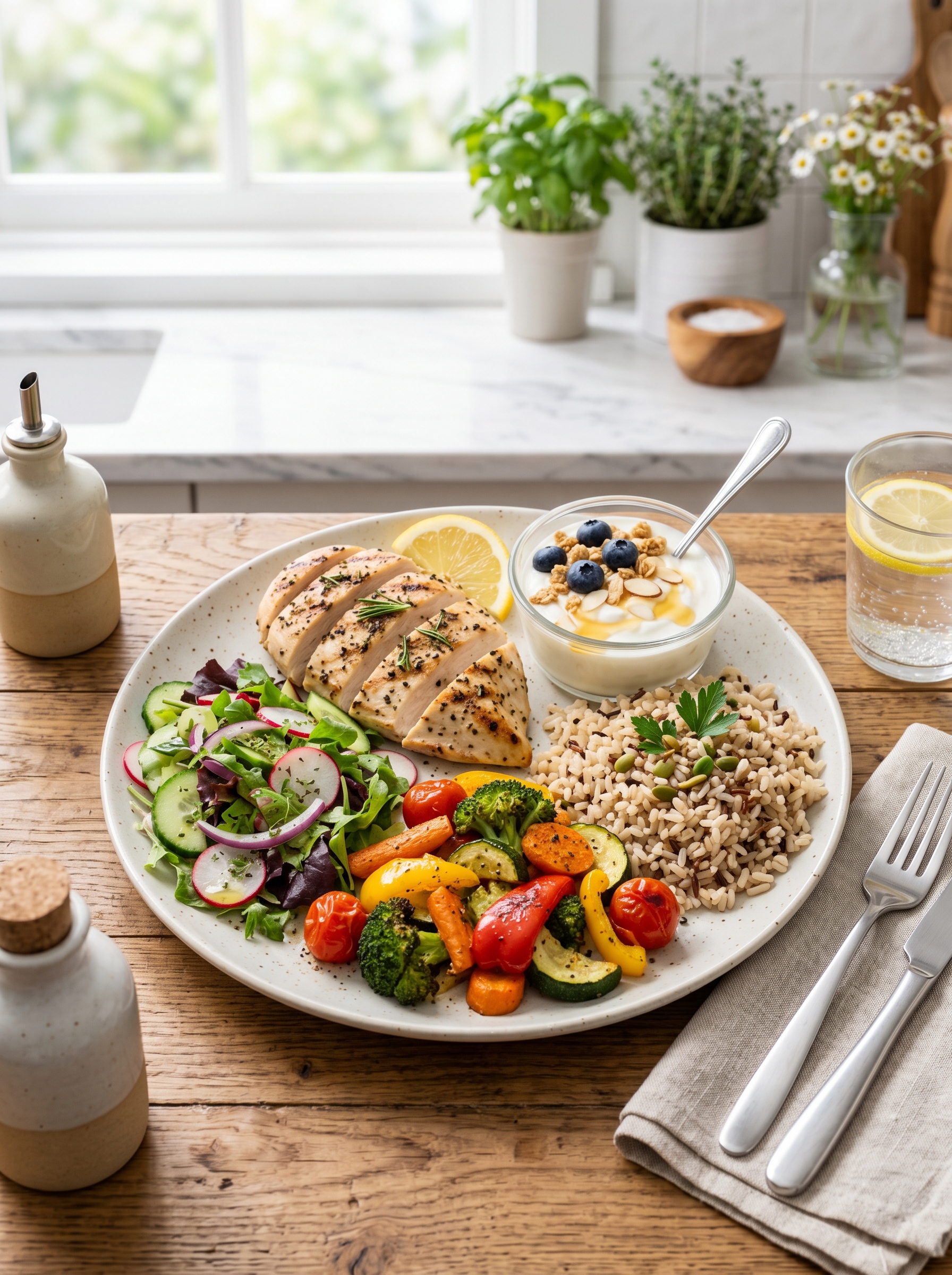
The balanced plate plan is one of the easiest ways to start losing weight without counting every calorie. It focuses on filling half the plate with vegetables, one-quarter with lean protein, and one-quarter with quality carbohydrates such as brown rice, oats, potatoes, or whole grains. The American Diabetes Association also uses a similar plate method: half non-starchy vegetables, one-quarter lean protein, and one-quarter quality carbohydrates.
Best for: Beginners who want a simple visual meal system.
Meal idea: Grilled chicken, brown rice, cucumber salad, and yogurt.
2. Mediterranean Diet Plan
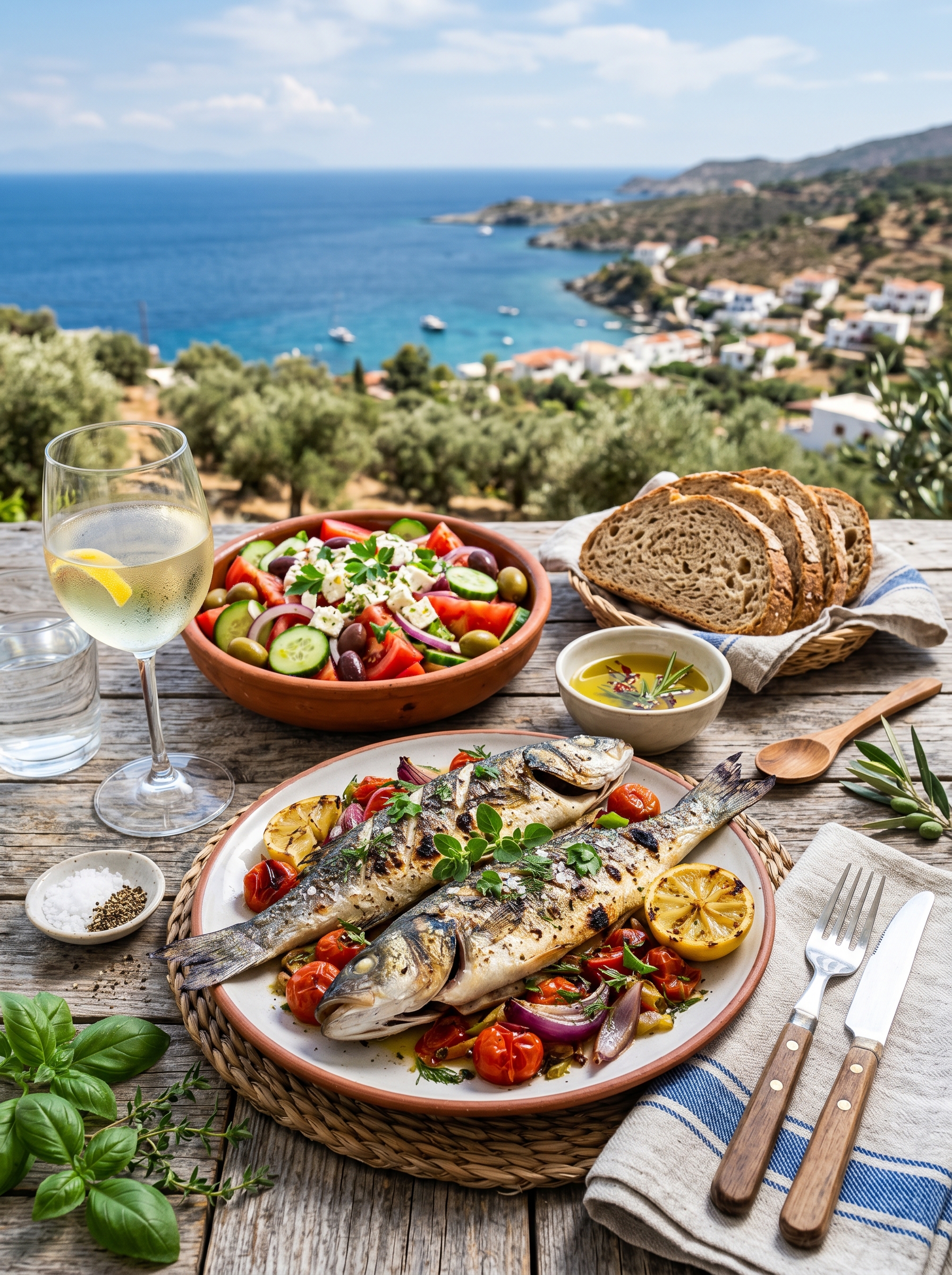
The Mediterranean diet is inspired by traditional eating patterns from countries near the Mediterranean Sea. It focuses on vegetables, fruits, beans, lentils, whole grains, fish, nuts, seeds, and olive oil. The American Heart Association describes the Mediterranean-style diet as a healthy pattern that emphasizes vegetables, fruits, whole grains, beans, legumes, fish, poultry, nuts, and non-tropical vegetable oils.
Best for: People who want a heart-friendly, flavorful, long-term eating style.
Meal idea: Grilled fish, quinoa, roasted vegetables, and olive oil dressing.
3. DASH Diet Plan
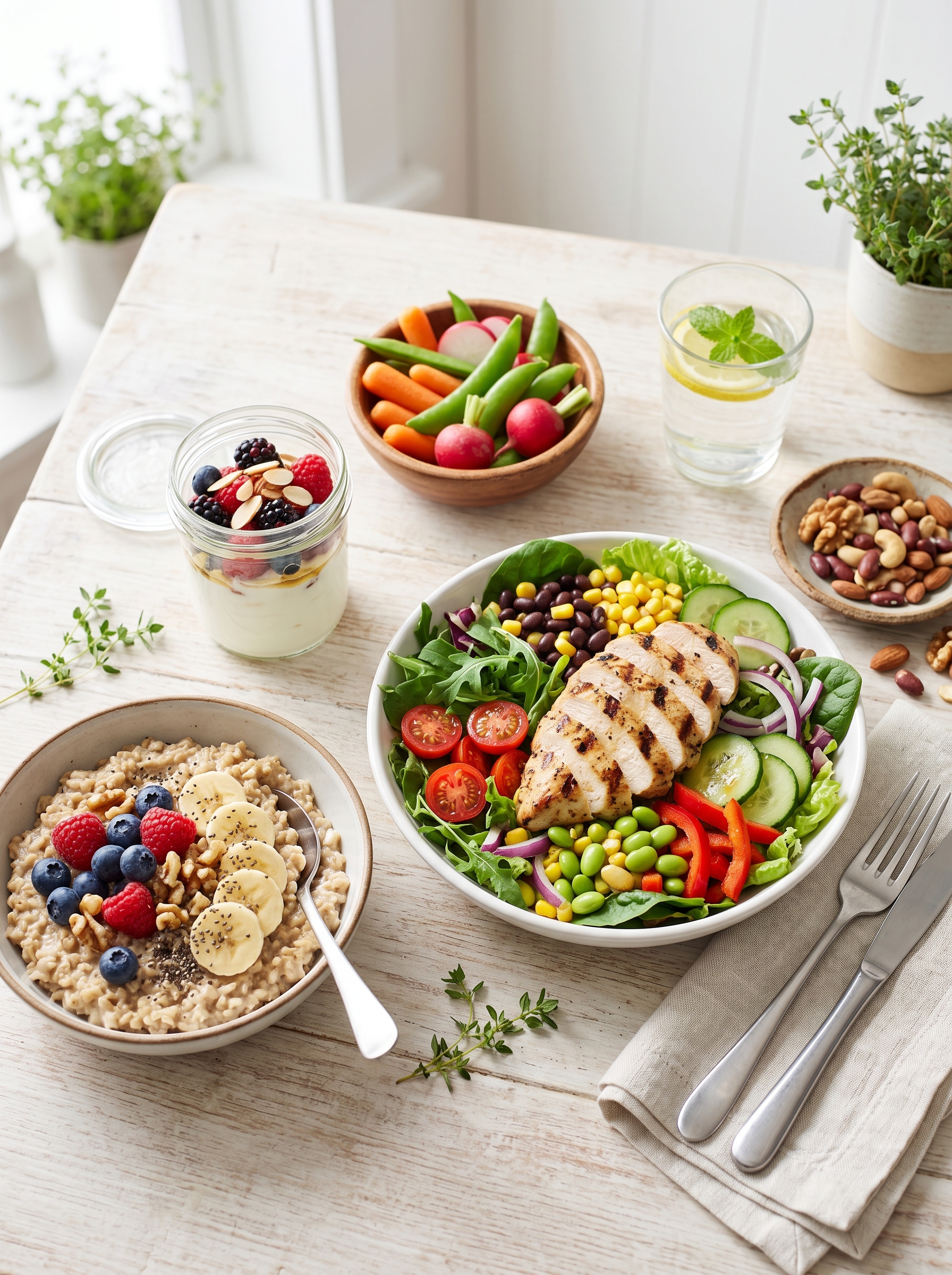
The DASH diet stands for Dietary Approaches to Stop Hypertension. It is designed to support heart health and healthy blood pressure, but it can also help with weight management when portions are controlled. The NHLBI says the DASH plan includes vegetables, fruits, whole grains, low-fat dairy, fish, poultry, beans, nuts, and vegetable oils while limiting saturated fat, sugary drinks, and sweets.
Best for: People who want a structured, heart-conscious diet.
Meal idea: Oatmeal with fruit, grilled chicken salad, lentil soup, and low-fat yogurt.
4. High-Protein Balanced Diet Plan
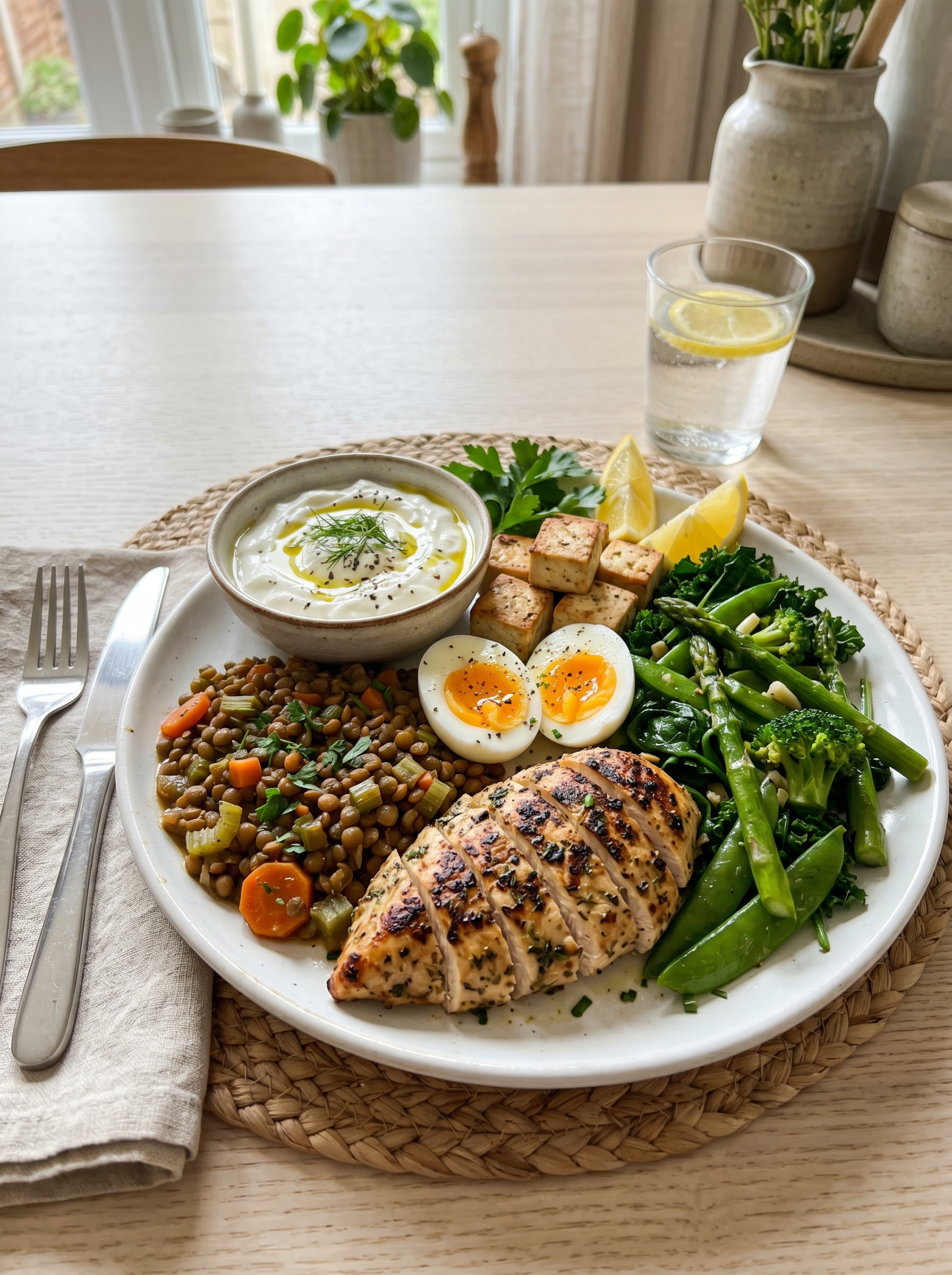
Protein helps meals feel more satisfying, which can make it easier to avoid constant snacking. This plan includes eggs, chicken, fish, lentils, beans, Greek yogurt, tofu, paneer in controlled portions, and lean meat.
Best for: People who feel hungry quickly after meals.
Meal idea: Omelet with vegetables, grilled chicken wrap, and lentil soup.
5. High-Fiber Diet Plan
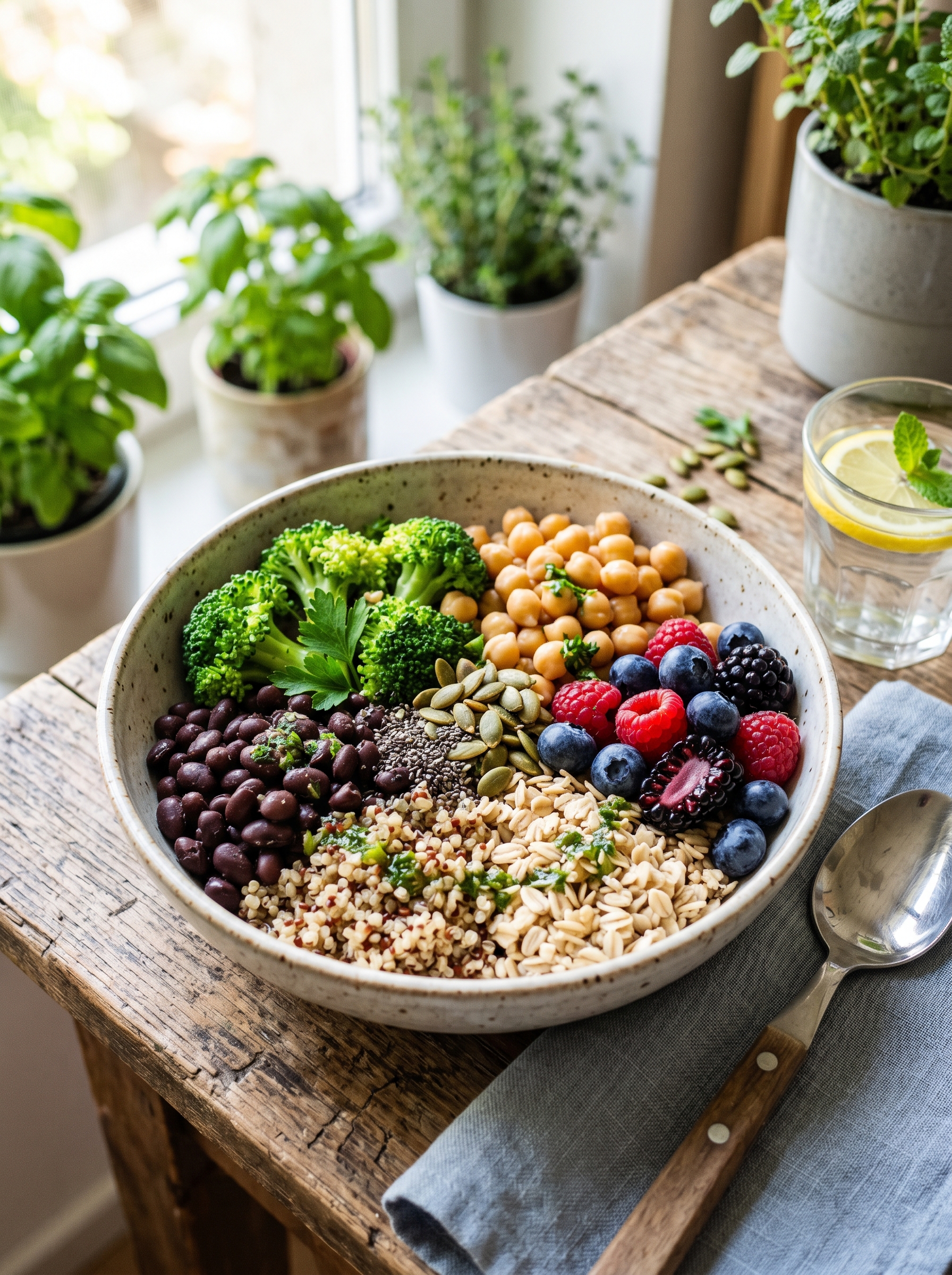
Fiber-rich foods support fullness and better digestion. This plan includes oats, beans, lentils, chickpeas, vegetables, fruits, whole grains, chia seeds, and flaxseeds.
Best for: People who want filling meals without making meals too heavy.
Meal idea: Oats with fruit, chickpea salad, vegetable soup, and brown rice.
6. Whole-Food Diet Plan
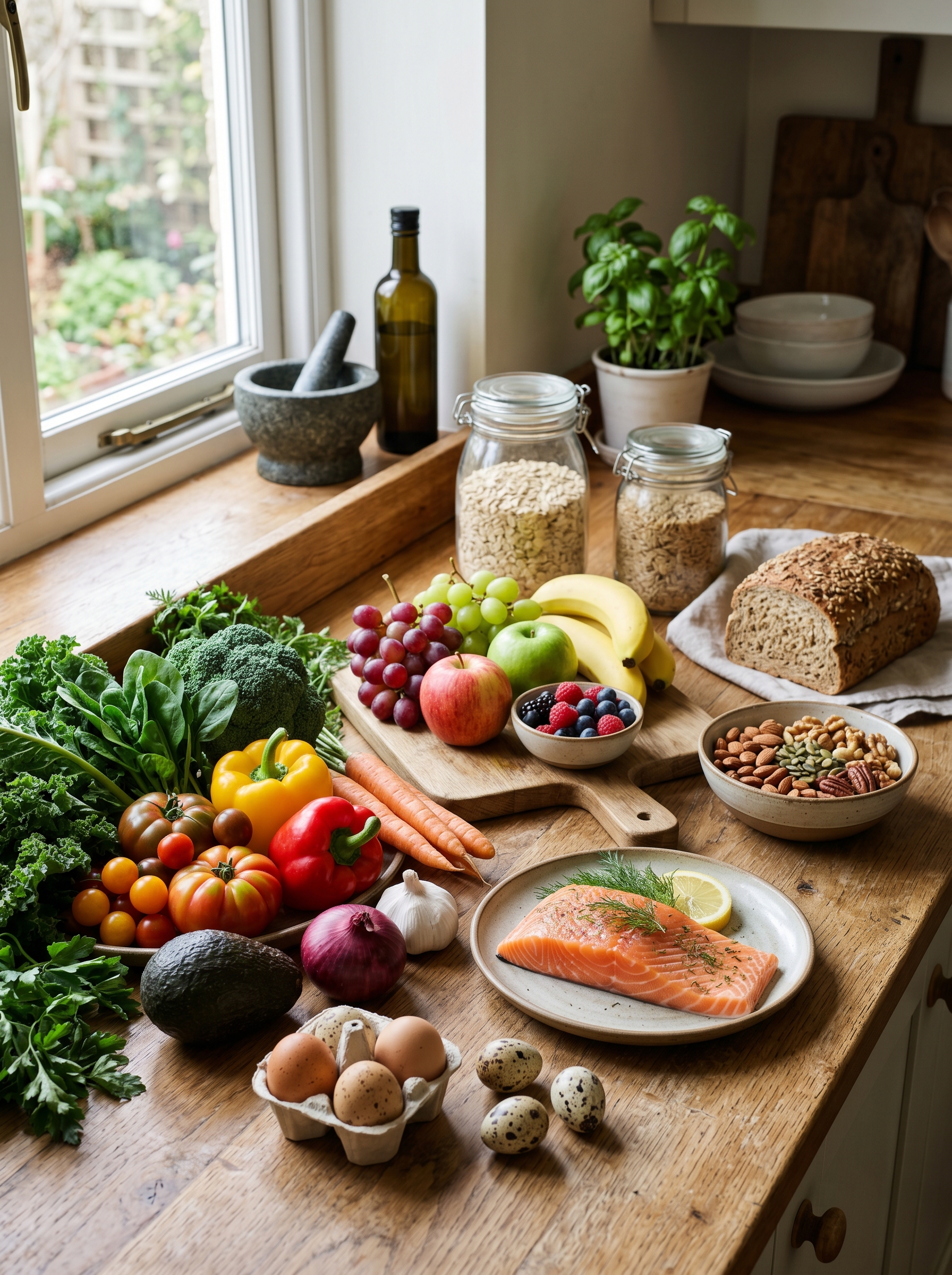
A whole-food plan focuses on foods that are close to their natural form. It limits packaged snacks, sugary drinks, fried foods, and heavily processed meals. The American Heart Association recommends choosing fruits, vegetables, whole grains, healthy proteins, heart-healthy oils, and minimally processed foods whenever possible.
Best for: People who want clean, simple eating habits.
Meal idea: Boiled eggs, fruit, grilled fish, vegetables, and homemade soup.
7. Portion-Control Diet Plan
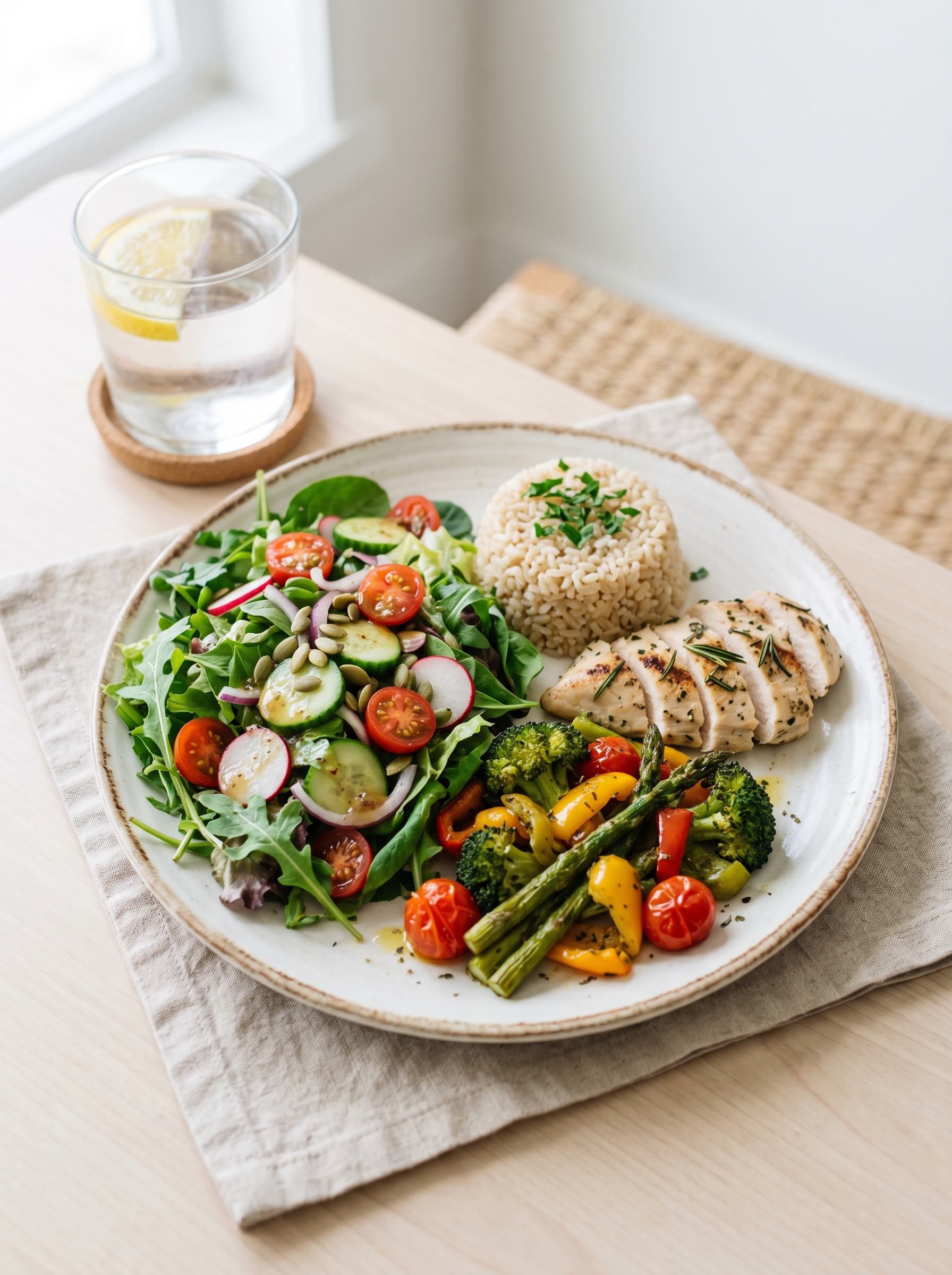
This plan does not remove food groups. Instead, it teaches better portion sizes. You can still eat rice, bread, pasta, or potatoes, but in controlled portions with protein and vegetables.
Best for: People who do not want strict food restrictions.
Meal idea: One small bowl of rice, grilled chicken, mixed vegetables, and salad.
8. Meal-Prep Diet Plan
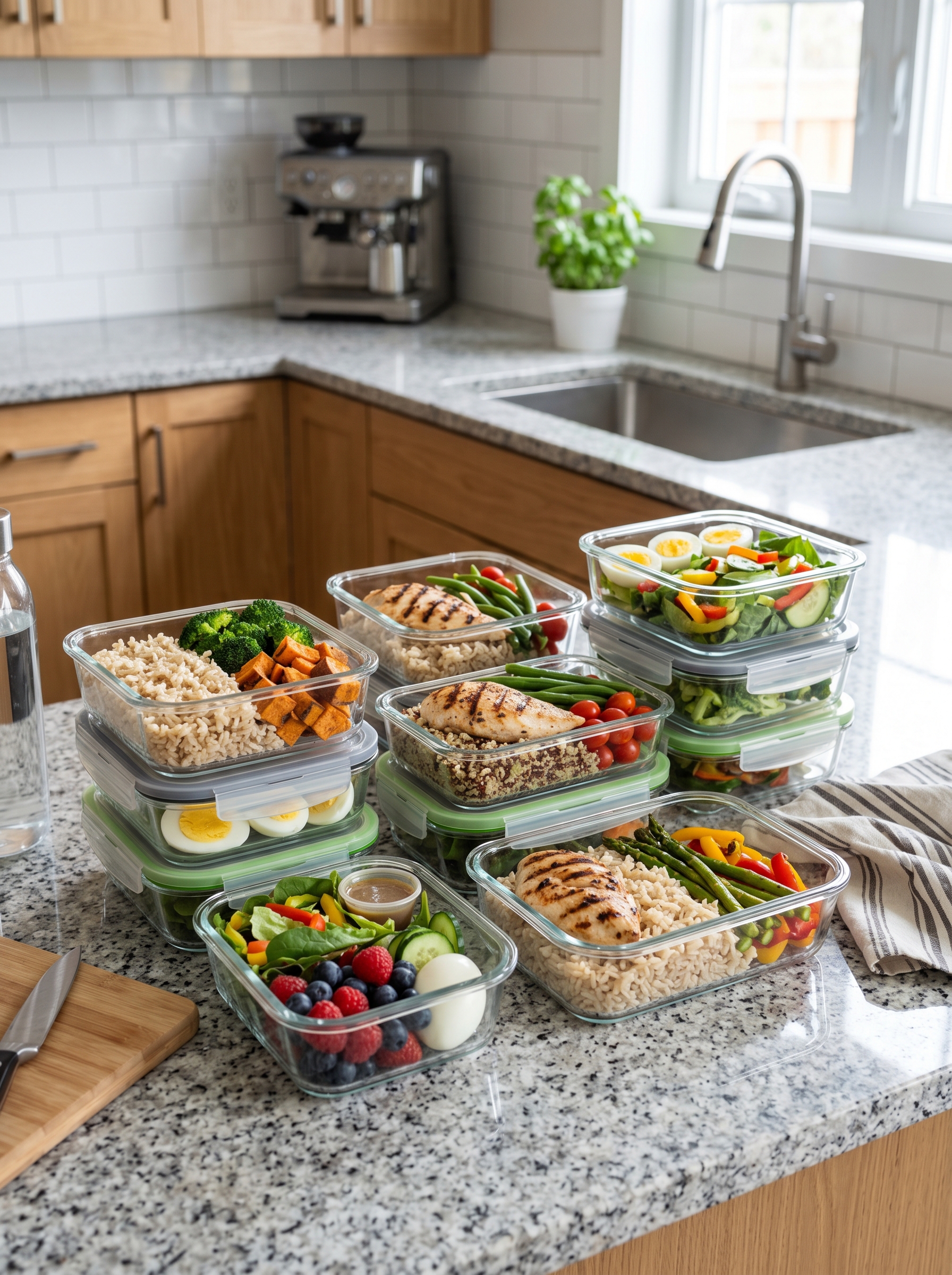
Meal prep helps reduce impulsive eating. You prepare healthy meals or ingredients in advance, such as cooked chicken, boiled eggs, chopped vegetables, cooked beans, and ready salads.
Best for: Busy students, office workers, and people with irregular schedules.
Meal idea: Prepared lunch box with chicken, rice, vegetables, and fruit.
9. Vegetarian Weight-Loss Diet Plan
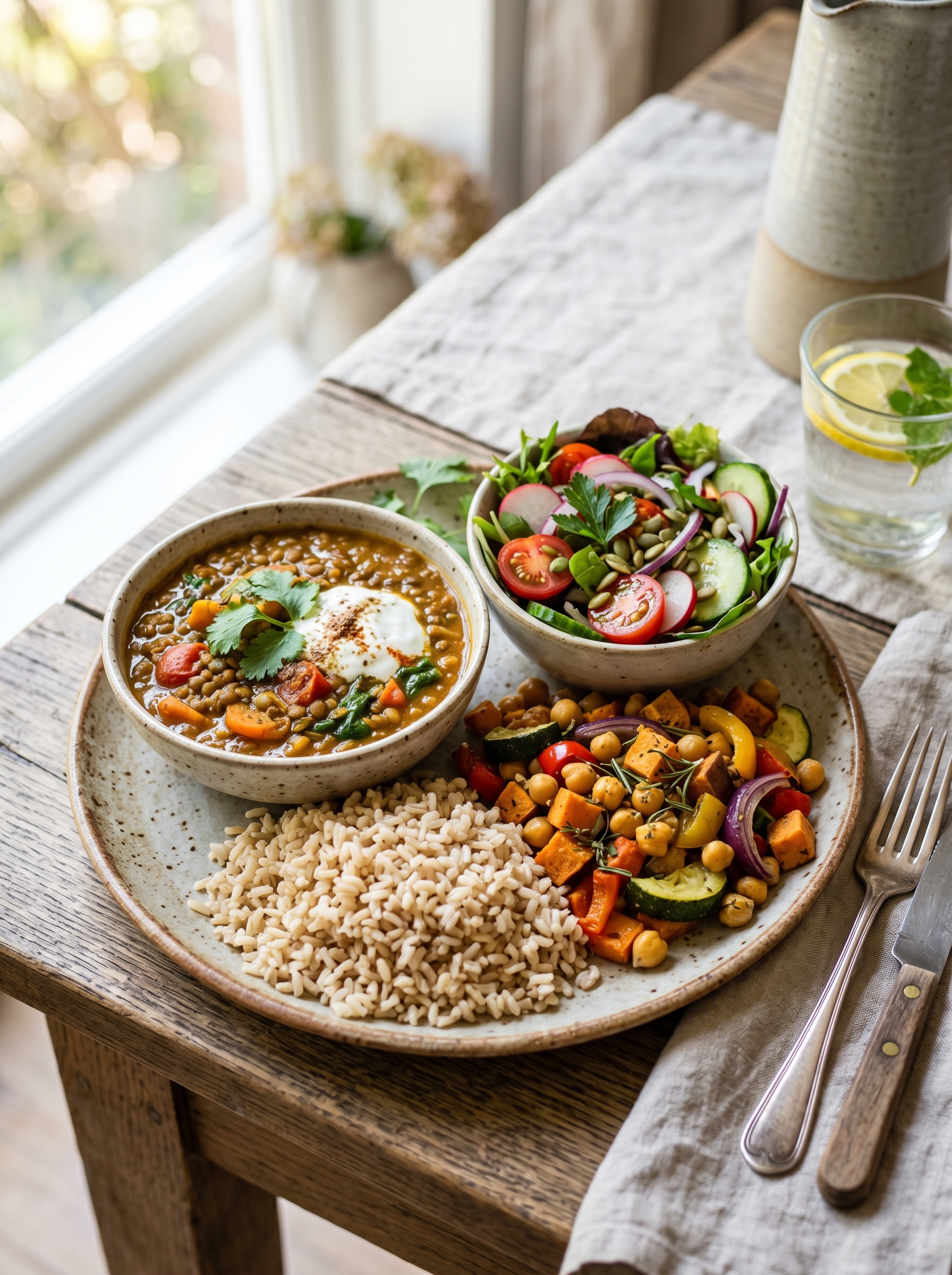
A vegetarian weight-loss plan can include lentils, beans, chickpeas, eggs if allowed, dairy, tofu, paneer in moderate portions, vegetables, fruits, and whole grains.
Best for: People who avoid meat but still want balanced protein.
Meal idea: Lentil curry, brown rice, cucumber salad, and yogurt.
10. Vegan Weight-Loss Diet Plan
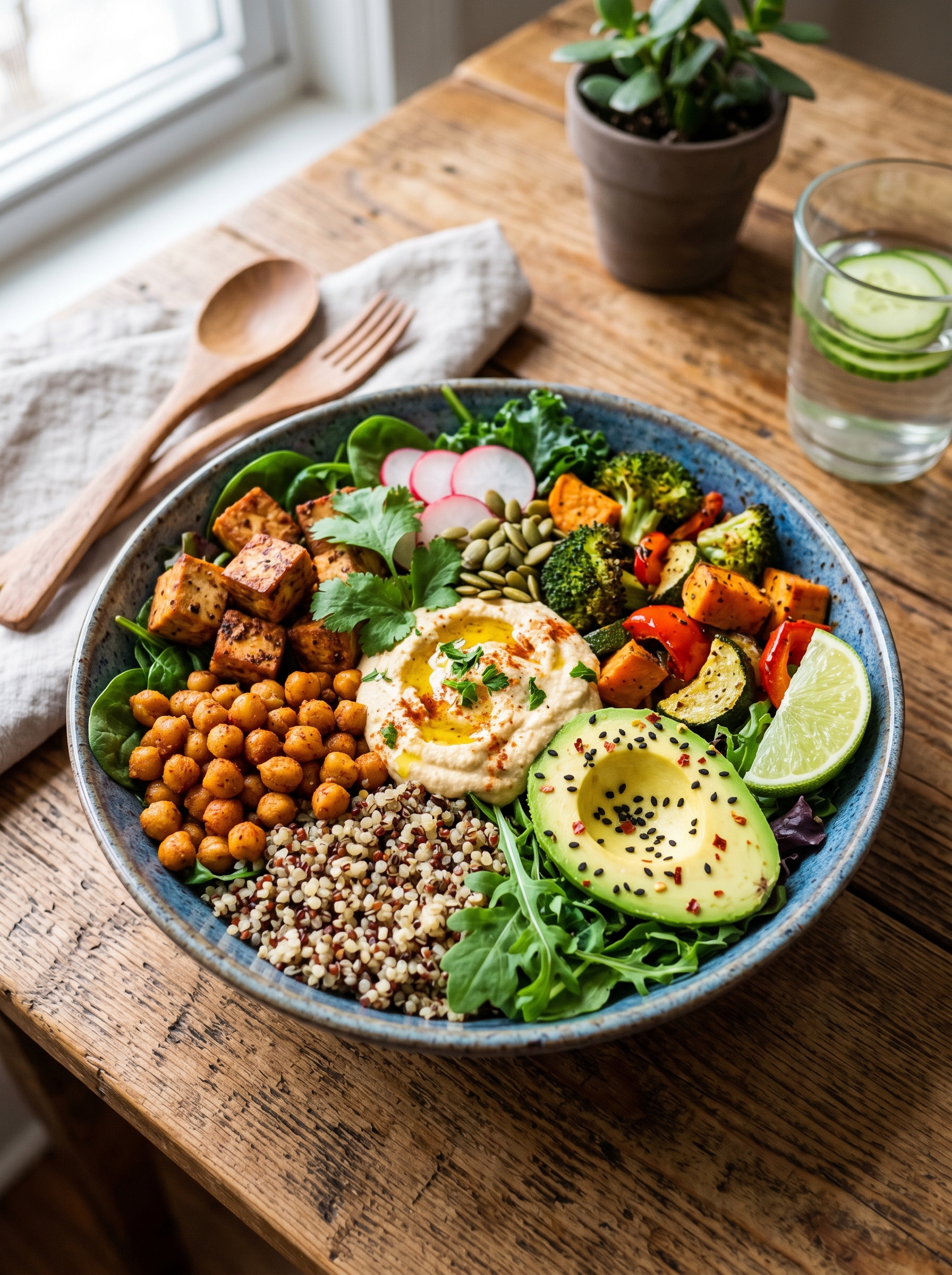
A vegan plan avoids animal products and focuses on plant-based foods like lentils, beans, tofu, chickpeas, vegetables, fruits, nuts, seeds, oats, and whole grains. The key is to include enough protein and avoid relying only on refined carbs.
Best for: People who follow a fully plant-based lifestyle.
Meal idea: Tofu stir-fry, quinoa, roasted vegetables, and hummus.
11. Flexitarian Diet Plan
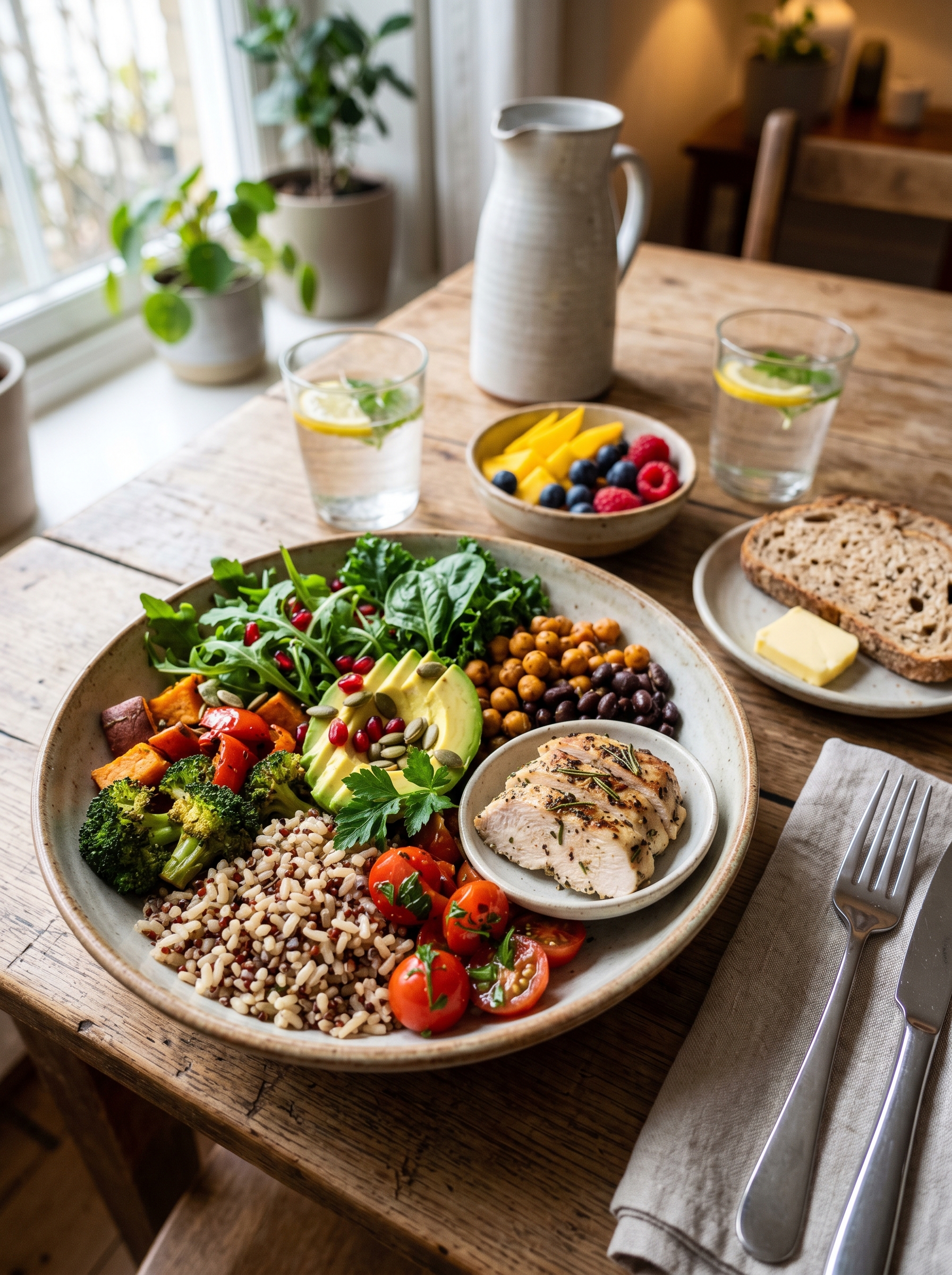
Flexitarian eating is mostly plant-based but allows small amounts of meat, fish, eggs, or dairy. This makes it easier for many people to follow long term.
Best for: People who want to eat more plant foods without becoming fully vegetarian.
Meal idea: Bean bowl with vegetables, plus grilled chicken once or twice a week.
12. Pescatarian Diet Plan
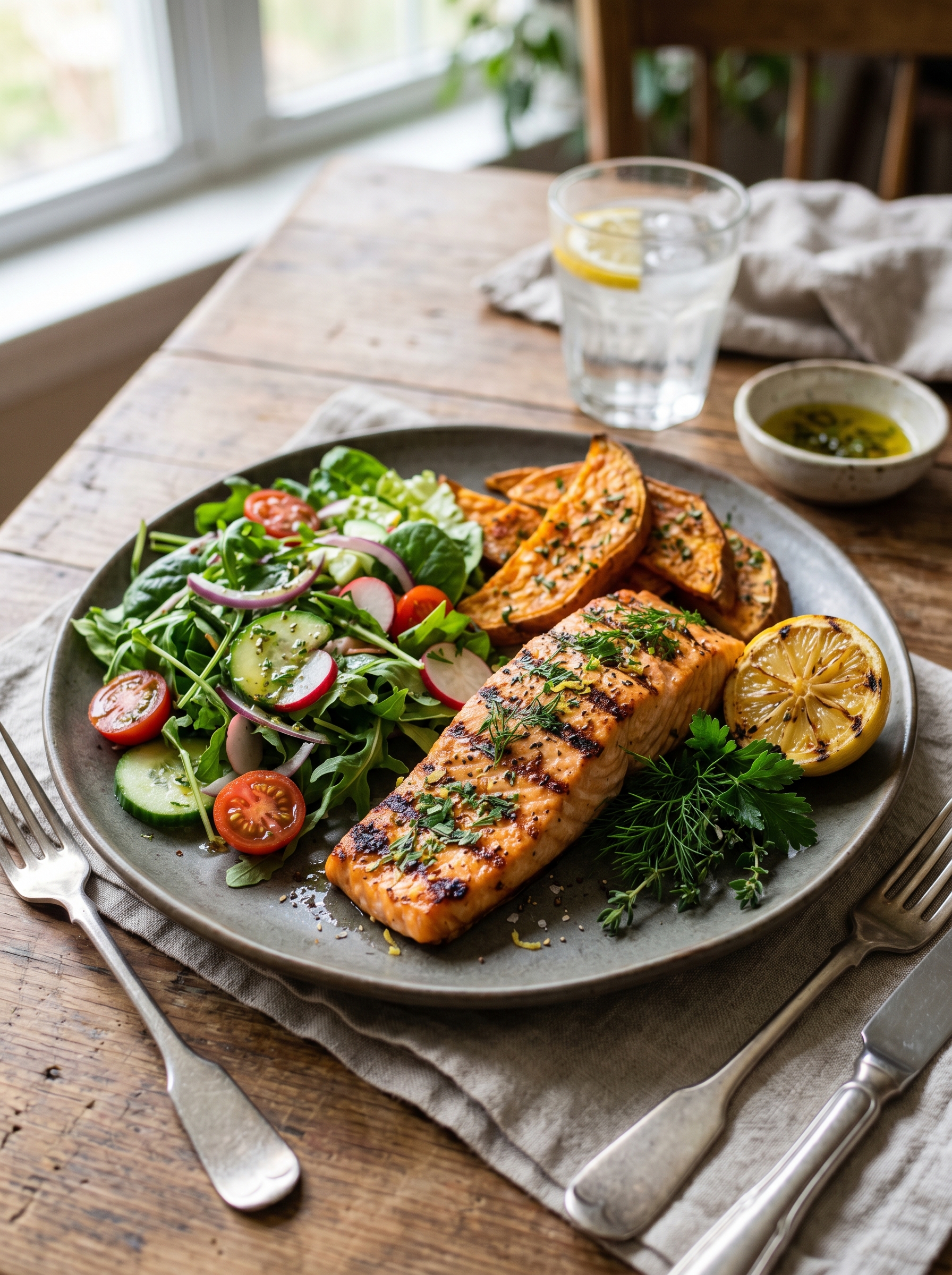
A pescatarian plan includes fish and seafood but avoids other meats. It can include vegetables, fruits, whole grains, legumes, eggs, dairy, nuts, and seeds.
Best for: People who enjoy seafood and want lighter protein options.
Meal idea: Grilled salmon, sweet potato, salad, and fruit.
13. Low-Glycemic Diet Plan
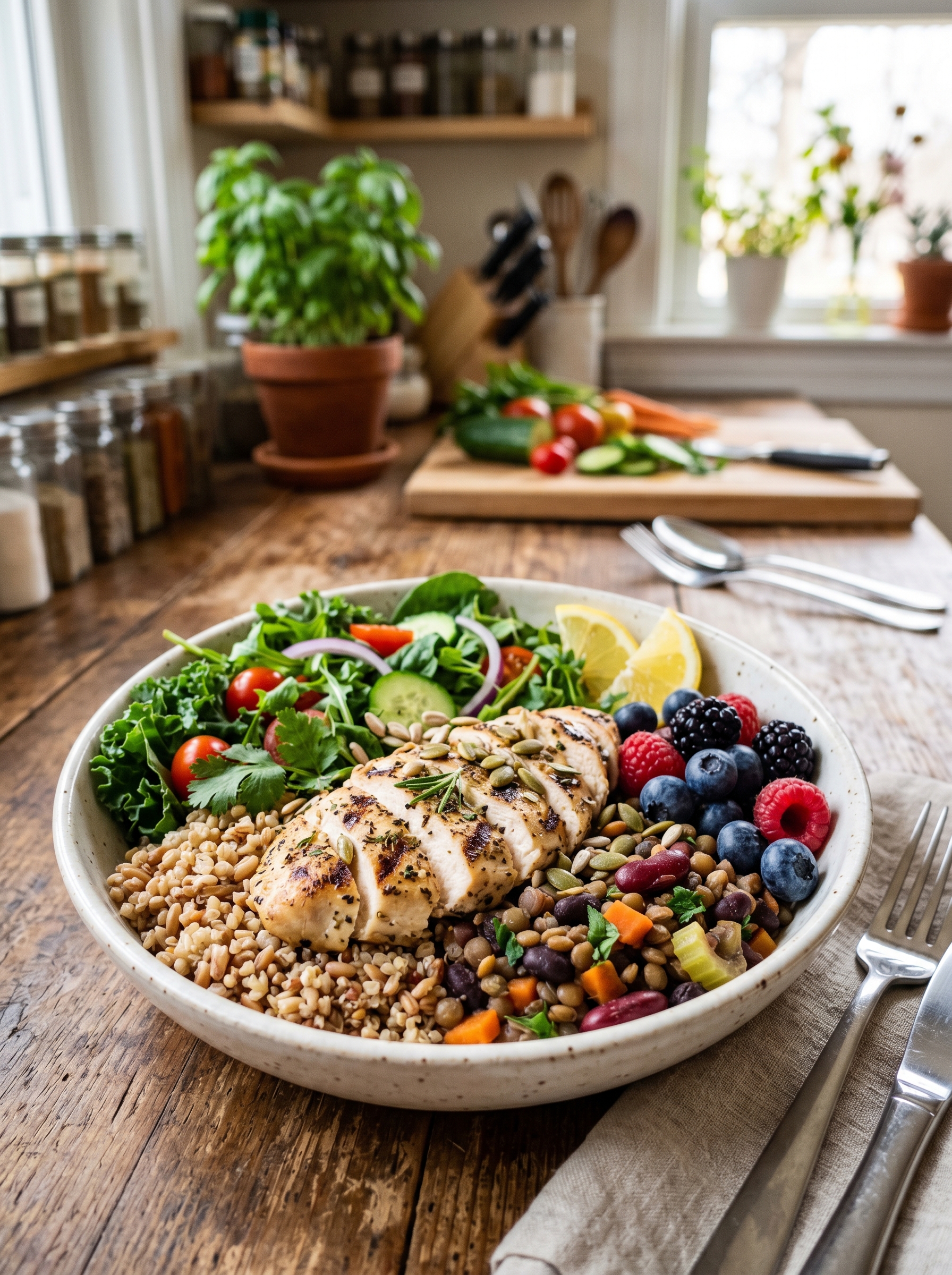
A low-glycemic plan focuses on slower-digesting carbohydrates such as oats, beans, lentils, chickpeas, whole grains, vegetables, and some fruits. It avoids frequent sugary foods and refined carbs.
Best for: People who want steadier energy levels.
Meal idea: Oats with nuts, lentil soup, grilled chicken, and salad.
14. Low-Sugar Diet Plan
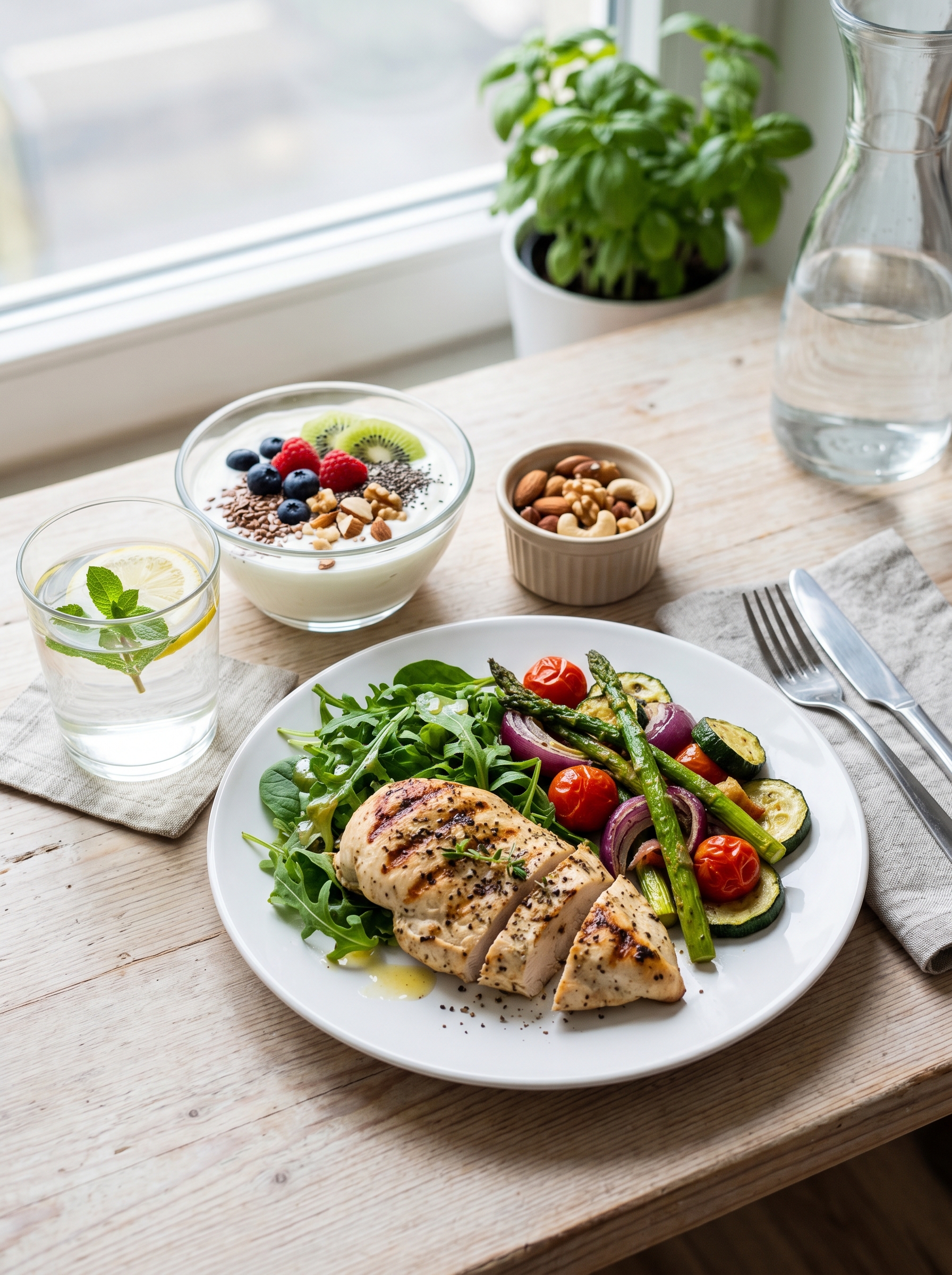
This plan reduces sugary drinks, desserts, candies, sweet cereals, and sweetened snacks. It does not mean avoiding all carbohydrates; it means choosing better carbs like fruits, oats, brown rice, beans, and vegetables.
Best for: People who drink soda, sweet tea, packaged juices, or eat many sweets.
Meal idea: Unsweetened yogurt with fruit, grilled chicken, vegetables, and water.
15. Low-Sodium Diet Plan
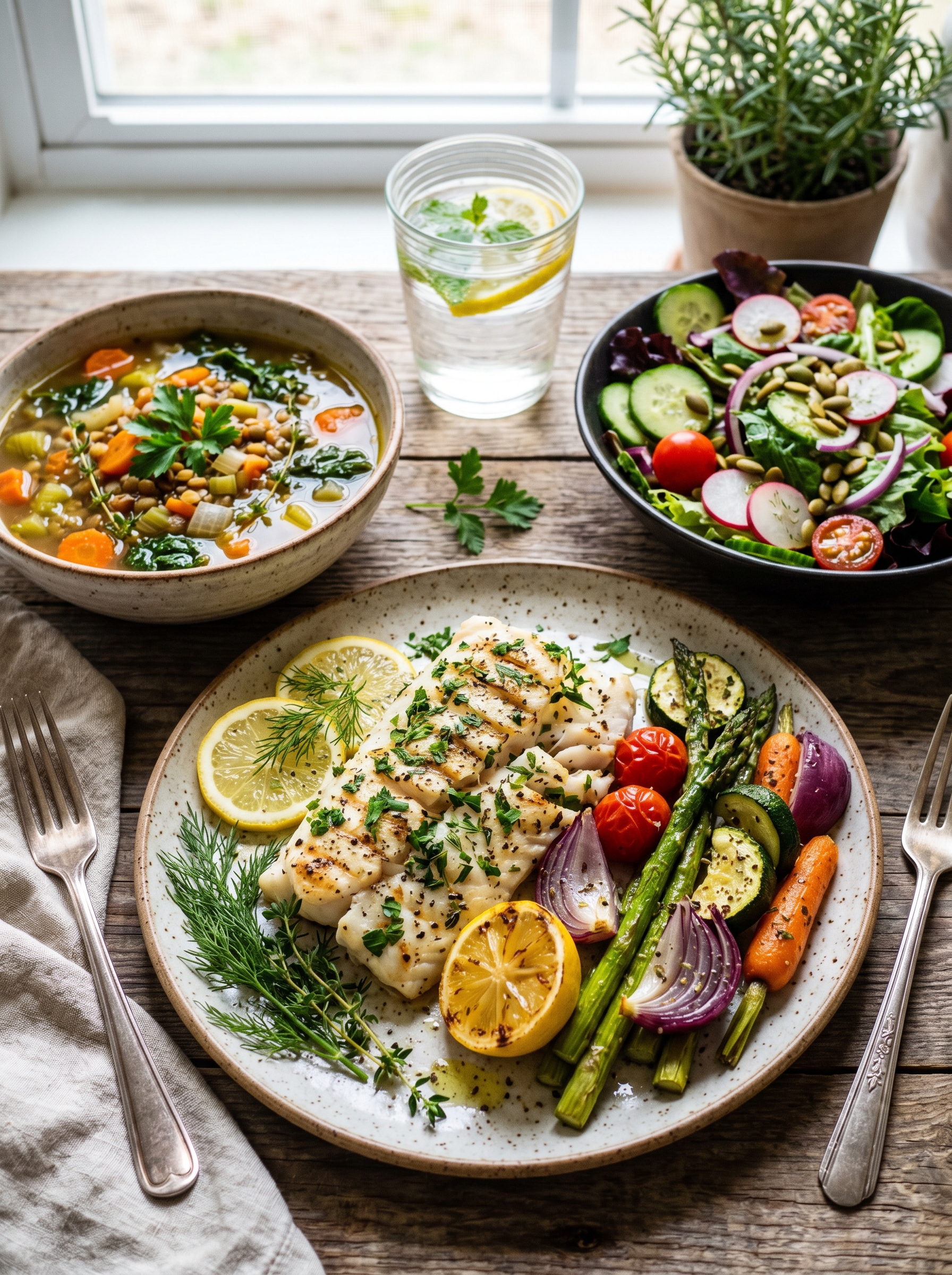
A low-sodium plan reduces excess salt, packaged snacks, instant noodles, processed meats, and salty sauces. It focuses on fresh meals, herbs, lemon, garlic, spices, and homemade cooking.
Best for: People who want a heart-healthier eating pattern.
Meal idea: Homemade vegetable soup, grilled fish, salad, and fresh fruit.
16. Heart-Healthy Diet Plan
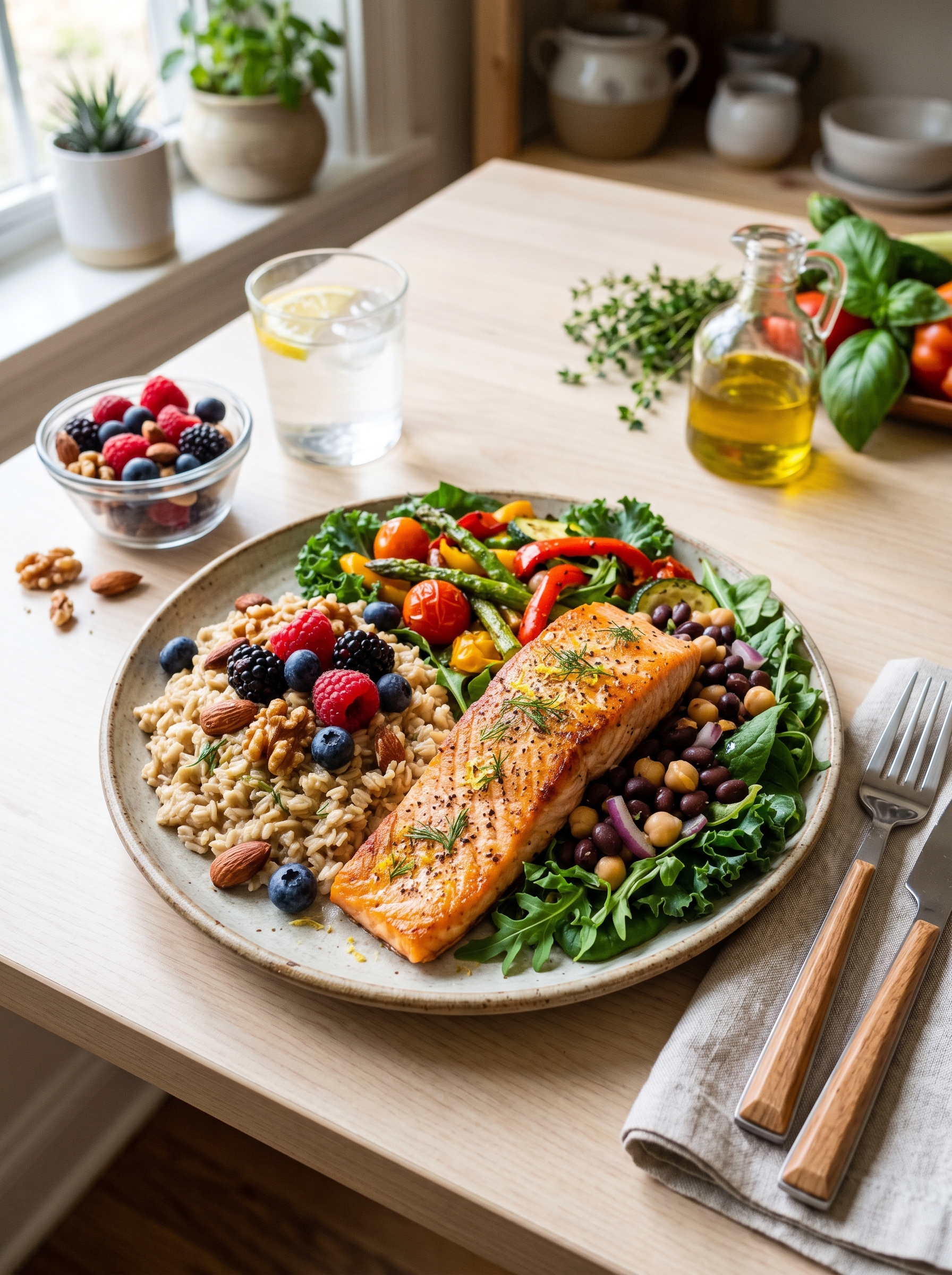
This plan focuses on vegetables, fruits, whole grains, beans, nuts, fish, lean proteins, and healthy oils. It limits fried foods, sugary drinks, and high-saturated-fat foods. The American Heart Association recommends healthy proteins, fruits, vegetables, whole grains, healthy oils, less sugar, less salt, and minimally processed foods.
Best for: People who want weight loss plus better overall health.
Meal idea: Oats, berries, grilled fish, vegetable salad, and lentil soup.
17. Mindful Eating Diet Plan

Mindful eating focuses on eating slowly, noticing hunger and fullness, avoiding emotional overeating, and reducing distracted eating. This plan can help people build a healthier relationship with food.
Best for: People who snack while stressed, bored, or watching screens.
Meal idea: A balanced plate eaten slowly without phone or TV distractions.
18. Home-Cooked Diet Plan
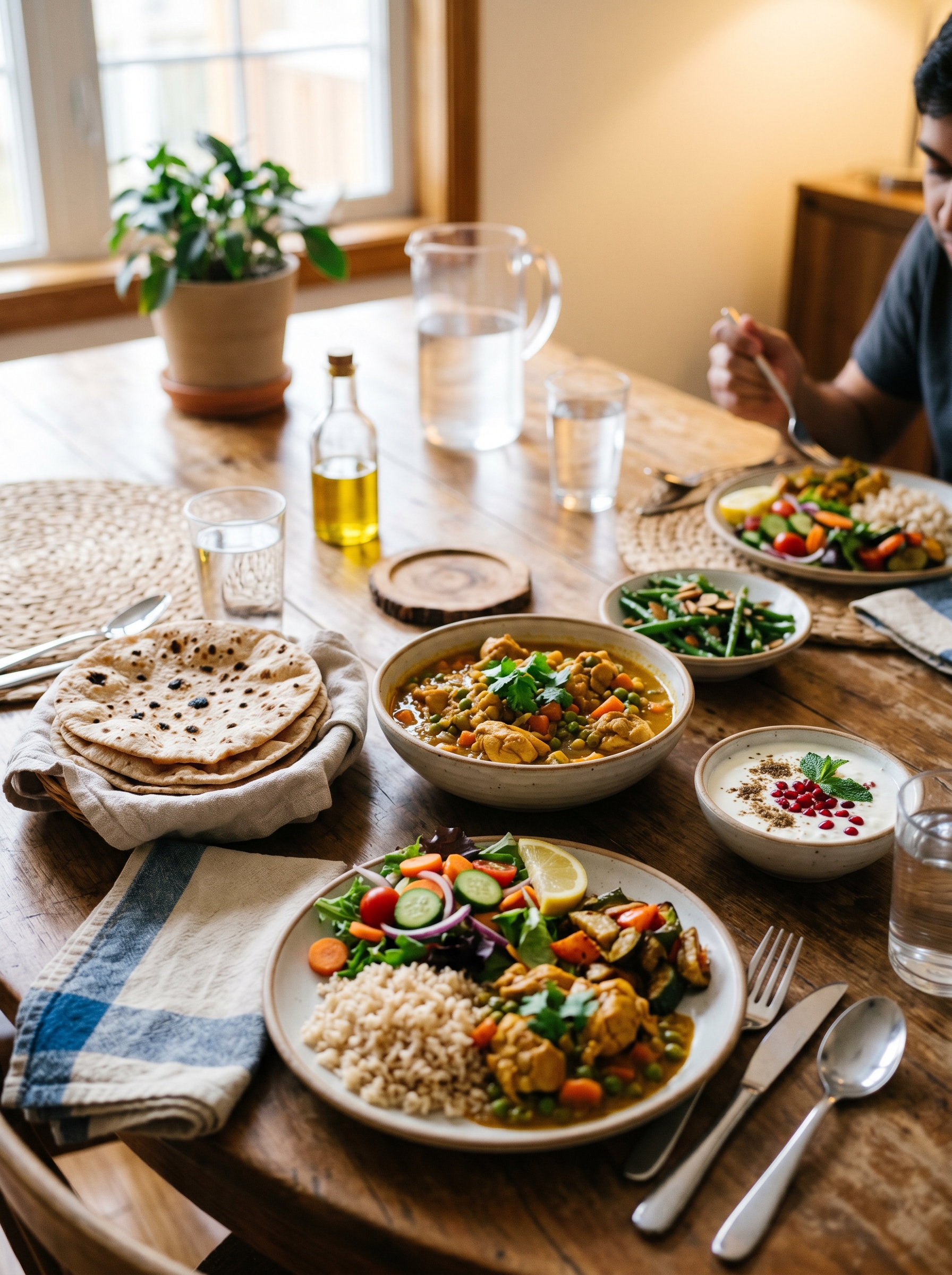
Home-cooked meals usually make it easier to control oil, salt, sugar, and portion size. This plan focuses on simple homemade meals instead of daily takeout or fast food.
Best for: People who often order food outside.
Meal idea: Homemade chicken curry with less oil, roti, salad, and yogurt.
19. Budget-Friendly Weight-Loss Diet Plan
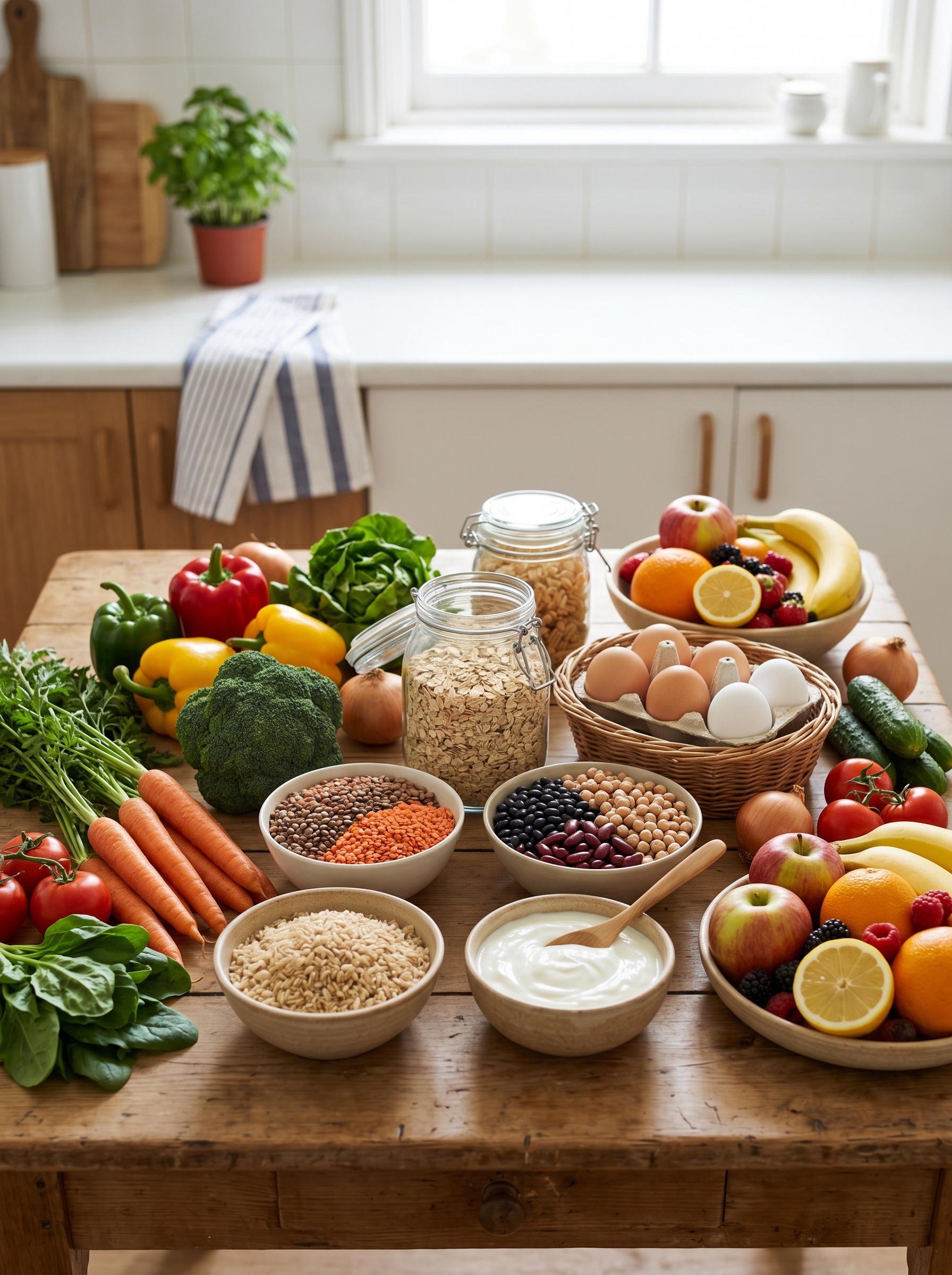
Healthy eating does not have to be expensive. This plan uses affordable foods like eggs, lentils, beans, chickpeas, seasonal vegetables, oats, rice, yogurt, and fruits.
Best for: Students, families, and anyone on a budget.
Meal idea: Lentil soup, boiled egg, cucumber salad, and one roti.
20. South Asian Balanced Diet Plan
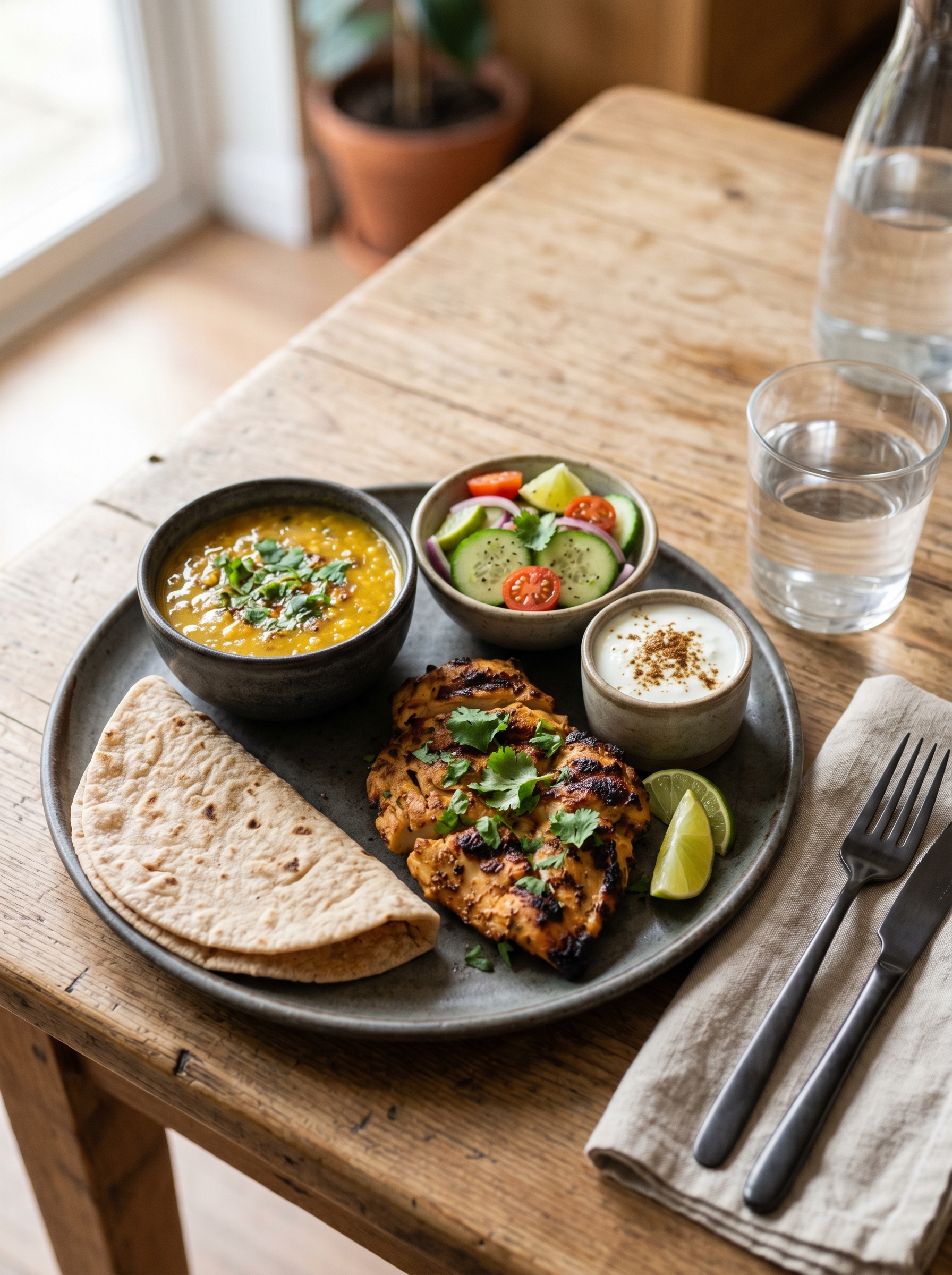
This plan is useful for people who eat roti, rice, curry, lentils, kebabs, yogurt, and traditional foods. The goal is not to remove cultural foods, but to balance portions and reduce excess oil, fried snacks, sugary tea, and oversized rice or bread servings.
Best for: People who want weight loss without leaving traditional food.
Meal idea: One roti, chicken or lentil curry, salad, and plain yogurt.
21. Office-Friendly Diet Plan
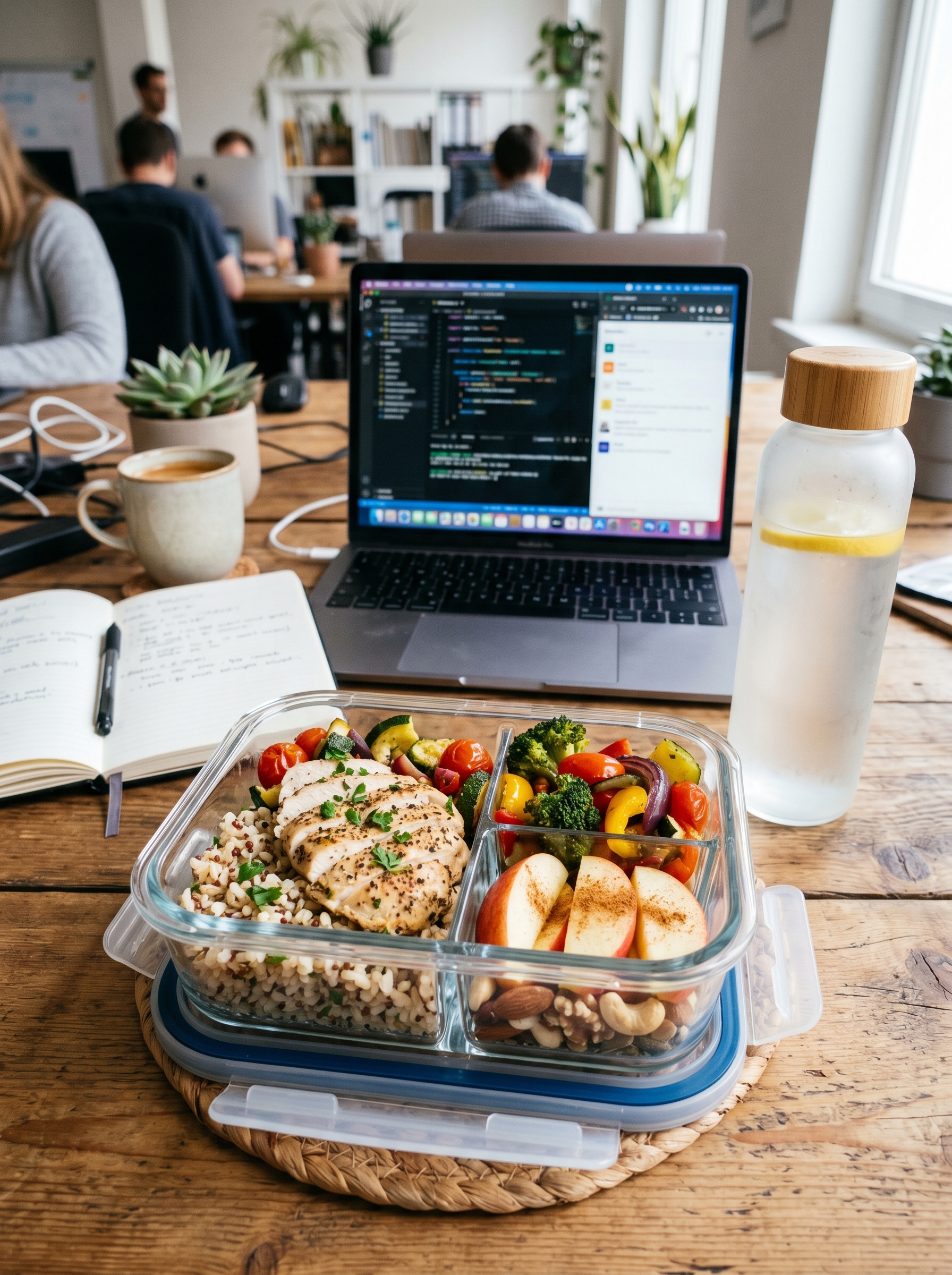
This plan is designed for people who sit for long hours. It focuses on packed lunches, healthy snacks, water, and avoiding daily fast food.
Best for: Office workers and students.
Meal idea: Lunch box with grilled chicken, rice, vegetables, apple, and water.
22. Maintenance-Friendly Weight-Loss Plan
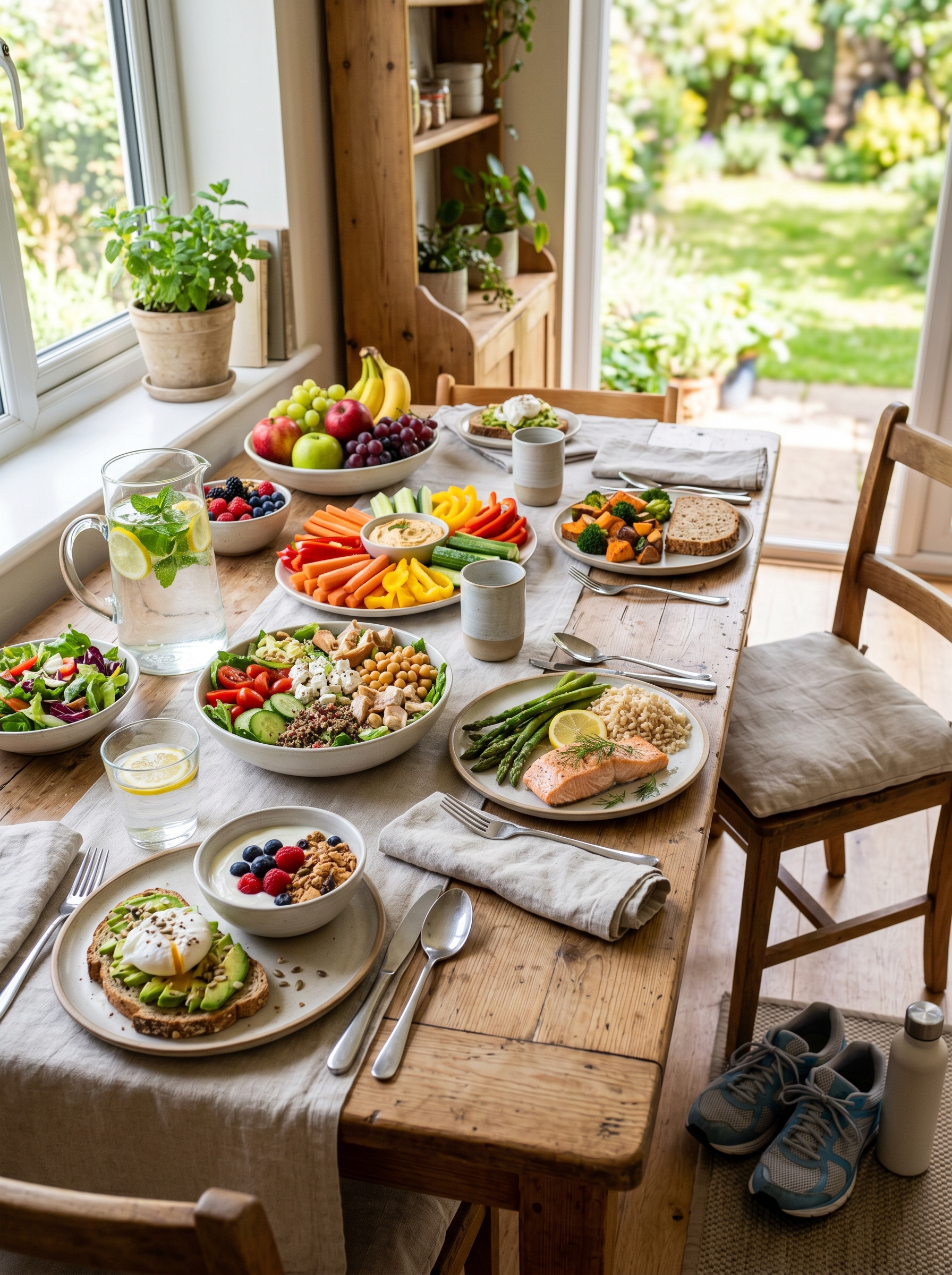
This plan is for people who want to lose weight slowly and keep it off. It avoids extreme rules and focuses on habits: balanced meals, regular activity, enough sleep, water, and flexible portions. The NHS also promotes a 12-week plan focused on healthier eating habits, more activity, goal setting, and progress tracking.
Best for: Long-term results and avoiding weight regain.
Meal idea: Balanced breakfast, homemade lunch, light dinner, and planned snacks.
Conclusion
Weight loss should be about building a healthier lifestyle, not chasing quick results. The best diet plan is the one you can follow consistently, enjoy, and adjust to your personal routine. Whether you choose a Mediterranean plan, DASH diet, high-protein meals, vegetarian eating, meal prep, or a simple balanced plate method, focus on whole foods, better portions, regular movement, and patience.
Avoid crash diets, skipping meals, detox plans, or extreme restrictions. A healthy plan should give your body enough energy, support daily life, and help you feel better over time. For anyone with a medical condition, it is always better to get personalized advice from a qualified health professional.
FAQs About Weight-Loss Diet Plans
1. What is the best diet plan for weight loss?
The best diet plan is one you can follow long term. Balanced plate, Mediterranean, DASH, high-protein, high-fiber, and whole-food plans are all good options when portions are controlled.
2. How fast should I lose weight?
A safe and realistic pace for many adults is about 1 to 2 pounds per week, according to the CDC. Faster weight loss is often harder to maintain.
3. Do I need to stop eating rice or bread?
No. You can include rice or bread in controlled portions. Pair them with protein, vegetables, and healthy fats for a balanced meal.
4. Is skipping meals good for weight loss?
Skipping meals is not necessary and can lead to overeating later. A better approach is to plan balanced meals and snacks.
5. Which foods should I reduce for weight loss?
Reduce sugary drinks, fried foods, oversized portions, packaged snacks, sweets, and highly processed foods. Focus more on whole foods and balanced meals.
6. Can I lose weight with home-cooked food?
Yes. Home-cooked meals can help you control ingredients, oil, salt, sugar, and portions.
7. Is exercise required for weight loss?
Nutrition is very important, but physical activity supports long-term weight management, fitness, and overall health. NIDDK recommends that safe weight-loss programs include both healthy eating and physical activity guidance.
8. Can teenagers follow a weight-loss diet?
Teenagers should not follow strict weight-loss diets without guidance. They are still growing, so they should speak with a doctor, dietitian, or trusted adult before making major diet changes.